

Traditional Japanese Futon Mattress vs Traditional Mattress Bed
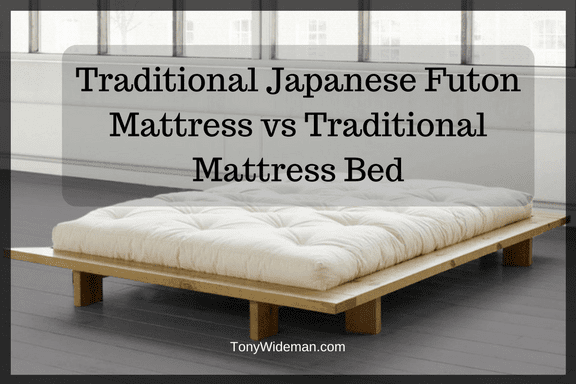
In the realm of sleeping solutions, the choice between a traditional Japanese futon mattress and a traditional mattress bed is a matter of personal preference and cultural significance.
Both options have their unique characteristics and benefits. This post explores the differences between these two sleeping surfaces, considering design, comfort, health benefits, maintenance, cost, aesthetics, and sustainability.
By understanding these factors, you can make an informed decision when selecting the right sleeping solution for your needs.
Origins and Design
The traditional Japanese futon mattress has a rich history and is deeply rooted in Japanese culture. It originated centuries ago and has since become a staple in Japanese homes.
The futon consists of a thin, cotton-filled mattress placed directly on the floor or on a tatami mat. In contrast, a traditional mattress bed is raised off the ground and typically consists of a spring or foam mattress placed on top of a box spring or platform.
Construction and Materials
Japanese futon mattresses are traditionally handcrafted using natural materials such as cotton, wool, or silk. The cotton filling is densely packed to provide support while still maintaining a comfortable sleeping surface.
Traditional mattress beds, on the other hand, are constructed with a combination of metal springs or foam layers, providing a more cushioned, contouring feel.
Comfort and Support
The level of comfort and support provided by a sleeping surface is a crucial factor in determining sleep quality. Japanese futon mattresses offer a firm sleeping surface, which can benefit individuals who prefer a more supportive bed.
The lack of excessive cushioning allows for a more natural spine alignment. Traditional mattress beds, with their added layers of padding, offer a plush feel and can provide excellent pressure relief for those who require more softness and contouring.
Health Benefits
Both traditional Japanese futon mattresses and traditional mattress beds have distinct health benefits. The firmness of a futon can help alleviate back pain by promoting proper spinal alignment.
It also reduces the risk of dust mites and allergens compared to traditional mattresses, making it a suitable choice for individuals with allergies.
Traditional mattress beds, on the other hand, offer better insulation and can be more accommodating for people with joint or muscle pain due to their added cushioning.
Maintenance and Care
When it comes to care and maintenance, traditional Japanese futon mattresses are relatively easy to care for. They are lightweight and can be easily rolled up, allowing for better air circulation and preventing moisture build-up.
Additionally, futon covers can be removed and washed regularly. Traditional mattress beds require periodic rotation to prevent sagging and maintain their shape. Cleaning can be more challenging due to their bulkiness and weight.
Portability and Storage
One of the significant advantages of Japanese futon mattresses is their portability and ease of storage.
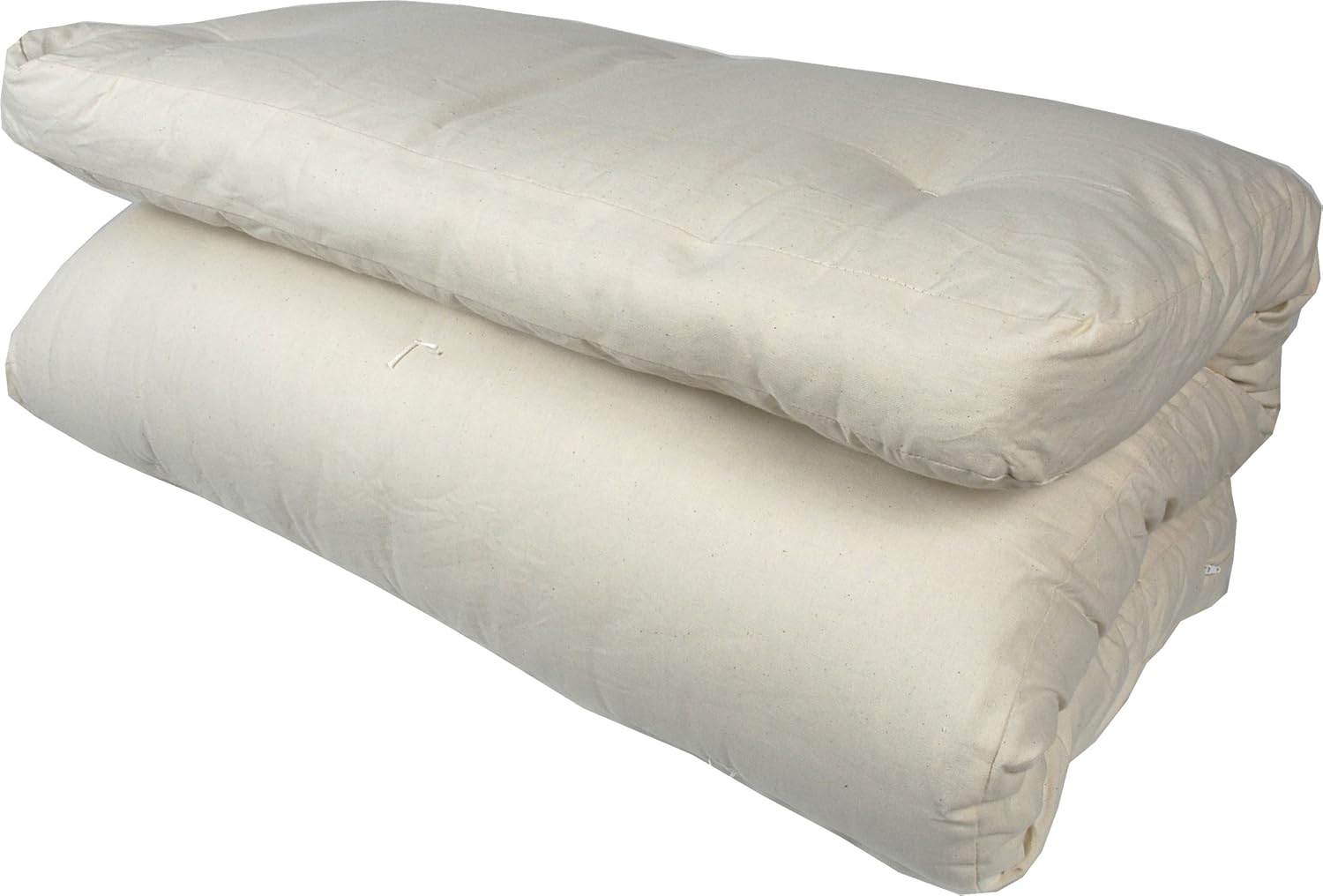
They can be easily folded and stored away during the day, making them ideal for small living spaces or multifunctional rooms.
Traditional mattresses, being larger and heavier, are less portable and require dedicated storage space.
Cost Comparison
Cost is a significant consideration when choosing a sleeping surface. Traditional Japanese futon mattresses tend to be more affordable than traditional mattresses.
The simplicity of their design and the use of natural materials contribute to their lower price point. Traditional mattress beds, especially those with advanced features or high-quality materials, can be more expensive.
Aesthetics and Cultural Significance
Japanese futon mattresses are deeply intertwined with Japan’s cultural identity. They embody simplicity, minimalism, and harmony with nature.
The clean lines and organic materials used in their construction create a serene and peaceful atmosphere. Traditional mattresses offer a wider range of design options, allowing customization to match individual preferences and room decor.
Sustainability
In an era where environmental consciousness is crucial, the sustainability factor of sleeping surfaces cannot be ignored.
Japanese futon mattresses, made from natural materials and featuring a minimalist design, are considered more sustainable.
The use of renewable resources and the absence of synthetic components make them an eco-friendly choice. Depending on the materials used, traditional mattresses can have a higher environmental impact due to their manufacturing processes and disposal.
Conclusion
The choice between a traditional Japanese futon mattress and a traditional mattress bed ultimately depends on personal preferences, lifestyle, and cultural appreciation.
Japanese futon mattresses offer simplicity, support, and portability, while traditional mattress beds provide plush comfort and design versatility.
Consider your comfort needs, health requirements, space availability, and cultural affinity when making a decision. Remember, both options have their merits and can contribute to restful, rejuvenating sleep.
The Futon Shop – America’s Most Comfortable Organic Futon Mattress
The Online Business Revolution is Here.
Join millions using AI to grow blogs, brands, and businesses faster than ever. Don’t be left behind in the AI boom.







I’ve been sleeping on a full sized Japanese futon since 2014. I purchased it from J-Life. I don’t have the comforter or the other fancy stuff. Just a fitted sheet and a nice pillow and a warm blanket. I rent a room in a 5 bedroom house so I am interested in something that folds up and out the way. I would say for me the futon has really changed my sleeping habits. I think I sleep heavier and have a lot less lower back pain. I probably sleep less too. It is a harder mattress and it gets harder as the years go by. For my “almost minimal” lifestyle, the futon works great. I’ve moved twice to new rooms and its been great. Hauling it around is much easier but its still difficult for a single person to move a full sized futon. Nothing compared to a full bed and spring and stuff though. I would say if you want a firm bed, a simpler sleeping arrangement, and you don’t mind a bit of maintenance like folding it up and hauling it outside a few times a year, you will like it. I gave in and got a tri-fold mattress for underneath it. Under that, I have a nice rug. I think its difficult for a person to make a recommendation on what will work for sleeping for another person; but the futon has been the one thing I have wanted to keep over the last 2 years and some. Other things have come and gone and the futon stays. It will take you some time to get used to it though. Its a different sleep for me.
Perhaps you already got the futon so I’ll leave this here if others read and want an opinion :-).
Thanks for your response Michael. I love my Futon and the minimalist lifestyle. That is why I have been looking into buying a Floyd Platform Bed to use with my Futon mattress. Check out the Floyd Platform Bed and tell me what you think.