
Fast Food Prices Are Too High; Cook At Home
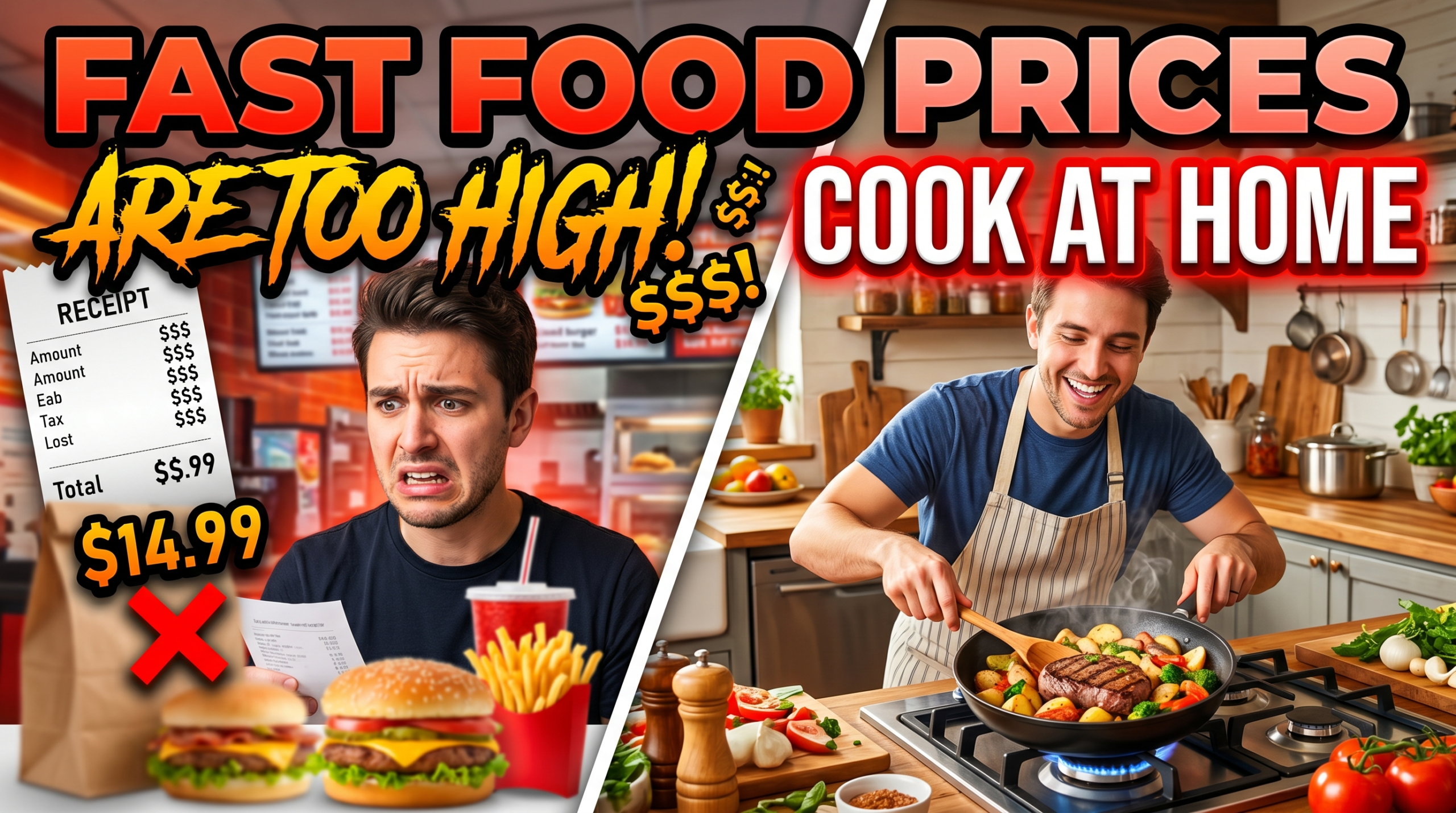
Grabbing a quick bite used to mean saving both time and money. Over the last few years, though, fast food prices have gone up so much that buying a burger and fries sometimes feels about as spendy as sitting down at a restaurant. That’s made a lot of folks—including me—think twice before heading out for drive-thru meals. Cooking at home isn’t only about saving money, but I’ve noticed it brings a bunch of other perks, too. Here’s why fast food prices are getting out of hand and what you can do about it if you’re looking to tighten up your budget.
Why Are Fast Food Prices So High Now?
Eating out on the cheap was a lot easier a decade ago. As a Field Service Network Tech, grabbing a meal deal or combo almost always costs more than I expect, sometimes even twice as much as it did just a few years back. Several things are behind these price jumps:
- Inflation: Everyday costs for items like beef, bread, cheese, lettuce, and even packaging have gone up for restaurants, just as they have for us at the grocery store.
- Rising Wages: Many places are paying their staff higher minimum wages, which is passed on to customers in the form of pricier menu items.
- Supply Chain Issues: Delivering food and ingredients across the country still costs more than it used to due to fuel prices, and sometimes restaurants pay extra just to keep their shelves stocked.
- Other Costs: Things like rent, electricity, and improvements in drive-thru and mobile ordering tech get factored in, too.
With everything getting more expensive, it’s pretty common to see fast food meals priced around $10 or more per person. Family-sized meals, even at value chains, can blow through a $40 bill in a single trip. That’s enough to make most of us rethink those last-minute dinner runs.
What You Really Pay for Fast Food
Convenience is at the heart of fast food. Sometimes paying extra to avoid cooking feels worth the trouble, especially on busy days. But if you break down what you’re really paying for, that convenience adds up fast.
- Portion Sizes: Meals might seem “cheap” individually, but upcharges for drinks, fries, and sauce packets all sneak onto the total bill.
- Delivery & Third-Party Fees: Using food delivery apps usually leads to service fees and tips, which can make that $8 combo morph into a $16 meal before it hits your doorstep.
- Impulse Buys: Fast food menus are loaded with tempting extras, desserts, specialty drinks, and new limited-time items, making it easy to blow past your budget.
I like to avoid spending much more than I planned, especially when it’s late or I’m in a rush. The price creep is real. Many people notice their monthly food spending is way higher than they’d like, especially when each small purchase sneaks up on you.
How Cooking at Home Saves Money
Moving away from pricey takeout means you get to take charge of your meals and your wallet. Here’s how home cooking can cut costs (plus a few other perks I’ve noticed from my own meal routines):
- Cheaper Ingredients Per Meal: A basic grocery run covers multiple meals instead of just one. Bulk buying saves even more. That $10 you’d spend on a fast food lunch can usually buy enough rice, beans, and veggies to feed you for a few days.
- Leftovers: Homecooked meals stretch further. I usually cook just a bit more so I have a quick lunch ready for the next day.
- Avoiding Impulse Spending: Shopping with a list and prepping meals ahead cuts down on snack attacks and random purchases.
- Sardines: They are a great snack and can be used to create an economic meal.
- Health Benefits: Knowing what goes into your meals makes it easier to eat better, which can also save on health costs down the line.
Most studies and budget challenges back this up, showing that cooking regular meals at home can save you hundreds a month compared to eating out. If you track your takeout spending for a week or two, you’ll probably be surprised how quickly it adds up compared to a shopping list. Besides just the dollar savings, eating at home can help you control nutrition and portion sizes, which is a bonus if you care about health.
Tips for Making Home Cooking Easy and Budget-Friendly
I get it—not everyone loves or has tons of experience cooking. But you don’t have to be a chef to save some cash at home. Here are some ways I make cooking less of a chore and more of a habit:
- Plan Simple Meals: Build a rotation of easy, goto recipes like stir-fries, tacos, or pasta that don’t take long and don’t require fancy ingredients.
- Batch Cooking: Spend an hour on Sunday prepping a big pot of soup, chili, or roasted veggies so that you have meals ready all week.
- Freeze Extras: If you’re up for it, double your recipe and freeze half—future you will thank you on busy nights.
- Get Creative with Leftovers: Use yesterday’s roast chicken for sandwiches, salads, or a quick fried rice.
- Use Store Brands: Generic items almost always taste the same as name brands and usually cost less.
It doesn’t hurt to keep a few frozen pizzas or meal kits around for true emergencies, either. Balance is key, and perfection isn’t required to save money and eat better. Little by little, building home cooking habits pays off.
Beginner-Friendly One-Pot Meal Ideas That Beat Fast Food Prices
Not sure where to start? Here are a few meal ideas that I always fall back on. These stretch a dollar and taste better than most fast food:
- Homemade Burrito Bowls: Cooked rice, beans, veggies, and your choice of protein. Top with salsa and shredded cheese for a filling meal and leftovers for lunch.
- One-Pot Pasta: Pasta tossed with canned tomatoes, garlic, and frozen meatballs cooks in about 15 minutes and costs a fraction of takeout.
- Egg Fried Rice: A couple eggs, leftover rice, and any vegetables I have in the fridge—cheap, quick, and satisfying.
- Sheet Pan Dinners: Toss home-cooked veggies and chicken sausage on a pan, season, and bake everything at once. Super easy cleanup and lots of flavor.
Once you find a few meals you love, making them will only get quicker and easier. Homemade food doesn’t have to be boring; there’s loads of inspiration online for new cooks. Checking out social media pages or recipe blogs can bring lots of new recipes right to your fingertips. Over time, your confidence in the kitchen builds, and you might be surprised by the dishes you’ll be able to whip up without much thought.
What About Time and Convenience?
The one thing that drives people to fast food more than the price is convenience. It’s true, cooking at home takes effort, and some nights you don’t want to spend any extra time in the kitchen. I totally relate. But with just a few changes, even the busiest schedules can fit in budget-friendly meals.
- Prep Once, Eat Twice (or More): Cooking in larger batches means you only have to do the chopping and cleanup a couple times per week instead of every night.
- Use Kitchen Gadgets: Slow cookers, pressure cookers (like the Instant Pot), and air fryers are super handy for setting a meal and walking away. No need to watch over the stove.
- Simple Sides: Pair a rotisserie chicken from the store (often cheaper than takeout chicken meals) with a bagged salad or steamed veggies for a meal in ten minutes.
Even grabbing prechopped veggies or convenience items at the store can be more budget-friendly last-minute than eating out. It gives you control over what goes into your meal, and you can season to your own taste. Making meals ahead of time or letting kitchen gadgets handle the heavy lifting can seriously smooth the way, helping you skip those last-minute fast food runs when you’re beat.
Troubleshooting Home Cooking Challenges
There are a few roadblocks to home cooking that come up for a lot of people. Here’s how I get around them:
- Don’t Have a Lot of Time: Focus on meals with five ingredients or less, or lean on prepped ingredients to cut time.
- Not Much Cooking Experience: Stick with foolproof recipes and watch short videos online—there are plenty for total newbies.
- Grocery Trips Feel Overwhelming: Make a basic list before hitting the store and use curbside pickup options to avoid impulse buying.
- Worried About Waste: Plan meals that use up similar ingredients, and don’t be afraid to freeze leftovers for later.
Getting into a rhythm takes a little practice, but soon, making your own dinner will feel second nature. Before long, you’ll see patterns in what you like to cook, and your bank account will thank you. If you do slip back into takeout, don’t sweat it—just try again with your next meal. Remember, you’re aiming for progress, not perfection, and every home-cooked meal makes a difference in your budget and your life.
Final Thoughts
The driver’s the drive-thru of both your budget and what’s on your plate. Even small changes to your routine, like making an extra meal a week at home, can save you money and help you eat better. If you’re fed up with high drive-thru prices, your kitchen may be your new favorite spot.
Frequently Asked Questions
Can I really save money by cooking at home?
Definitely. If you compare the cost of basic groceries for one or two simple drive-thru meals to what you spend on just a single trip to the drive-thru, the savings quickly add up. Even with higher grocery prices, cooking at home almost always beats fast food for value per portion.
What do I do if I hate meal planning?
Try rotating just a few basic meals each week and keep it simple. The less you overthink it, the easier it gets. There are also lots of meal kit options if you want a little help with planning.
Are there any shortcuts to make home cooking easier?
Absolutely. Frozen and prechopped veggies, rotisserie chicken, and one-panbuild-your-own recipes all make cooking at home faster and simpler, even if you’re not usually comfortable in the kitchen.
What should I do about picky eaters?
Get everyone involved in planning one meal a week, or set up build-your-own dinners where people pick their own toppings or sides. Cooking at home can be more flexible than most people think.