Eat for Better Emotional Health and Fitness: Your Complete Guide to Food-Mood Wellness
Have you ever noticed how a greasy fast-food binge leaves you feeling foggy and low, while a colorful salad packed with fresh veggies somehow makes you feel lighter, sharper, and just… better? That’s not a coincidence, and it’s definitely not in your head. Well, technically it is in your head, because your brain is directly wired to what you put on your fork. Think of your body like a car and food like fuel — put in premium fuel, and the engine runs smoothly; pour in junk, and you’ll sputter, stall, and stress out over things that wouldn’t normally bother you. This isn’t some wellness-influencer fantasy either; it’s backed by a rapidly growing body of scientific research that treats nutrition as a legitimate lever for mental and emotional wellbeing.
Why Your Plate Is Secretly Running Your Mood
Most of us grew up thinking food was purely about energy and waistlines, but our dinner plate has way more influence on our emotional state than we ever gave it credit for. Every bite you take sends signals racing through your bloodstream, tickling neurotransmitters, feeding trillions of gut bacteria, and either calming or inflaming your nervous system. It’s a constant, two-way conversation between your digestive system and your brain, and honestly, most of us never bothered to eavesdrop. Once you start paying attention, though, you realize why that afternoon slump hits right after a sugary snack, or why a week of eating nothing but takeout leaves you feeling irritable and strangely anxious for no clear reason. Your emotional fitness, much like your physical fitness, is being shaped meal by meal, snack by snack, whether you’re consciously steering it or not.
The Gut-Brain Connection Explained
Picture your gut as a second brain living quietly in your belly, constantly chatting with the one in your skull through what scientists call the gut-brain axis. This isn’t some poetic metaphor either — your gut produces the majority of your body’s serotonin, the very neurotransmitter most antidepressants are designed to boost, and it does so with major help from the trillions of bacteria living in your digestive tract. When your gut microbiome is diverse and thriving, that communication line stays clear, and your mood tends to stabilize. But when you feed your gut a steady diet of processed junk, you’re essentially starving the beneficial bacteria while feeding the troublemakers, and that imbalance can ripple straight up into anxiety, brain fog, and low mood. It’s a bit like a garden: neglect it with junk and weeds take over, but nourish it with fiber-rich, whole foods and the good stuff flourishes, crowding out the pests naturally.
Inflammation and Emotional Balance
Here’s where things get genuinely fascinating: researchers have identified inflammation as one of the biggest bridges connecting what you eat to how you feel. Lower dietary quality tends to increase inflammation and allostatic load, and that elevated allostatic load is associated with changes in brain networks involved in stress and emotion regulation, which may raise the risk of mood and anxiety-related disorders. On the flip side, higher dietary quality decreases inflammation and may help prevent that allostatic load from piling up in the first place. Basically, chronic low-grade inflammation acts like static on a radio signal, distorting the messages your brain relies on to regulate stress responses and emotional reactions. Foods that trigger this inflammatory response — think heavily processed snacks, fried foods, and excess refined sugar — essentially crank up that static, making it harder for your brain to stay level-headed even during ordinary daily stress.
What the Science Actually Says
If you’re the skeptical type who wants receipts before buying into the food-mood connection, you’re in good company, and thankfully the receipts keep piling up. Mental health disorders now affect over 970 million people worldwide, making them the leading cause of years lived with disability — accounting for roughly one in six cases globally — and the associated economic strain is projected to cost the world economy around 6 trillion US dollars by 2030. That’s an enormous number, and it’s part of why researchers have been racing to find modifiable, everyday factors that could ease that burden. Diet has emerged as one of the most promising candidates precisely because, unlike genetics or past trauma, it’s something you can actually change starting with your next meal.
Nutritional Psychiatry Findings
A whole scientific field called nutritional psychiatry has sprung up specifically to study this relationship, and it’s not some fringe niche anymore — it’s mainstream and expanding fast. Over the past decade, this field has grown rapidly, positioning diet and nutrition as fundamental to both preventing and managing mental disorders, with a large and growing body of evidence supporting diet’s critical role in psychiatric outcomes across the lifespan and across diverse global populations. Large-scale studies are backing this up with serious numbers too — one meta-analysis spanning 633,317 individuals across 23 low- and middle-income countries found meaningful associations between healthy diets and reduced depression, anxiety, and stress levels, showing this isn’t just a wealthy-country phenomenon. Meanwhile, the American Psychological Association has flagged that diets rich in fruits, vegetables, healthy fats, and minimally processed foods are linked to a range of positive mental health outcomes, including improvements in depression, general well-being, and psychological distress, while heavily processed products are increasingly tied to the opposite effect. Even research on kids is showing similar patterns, suggesting the food-mood link isn’t limited to stressed-out adults juggling deadlines — it starts shaping emotional regulation from early childhood onward.
Foods That Fuel Emotional Resilience
Okay, so the science is compelling, but what does that actually mean for your grocery cart? Let’s get practical, because knowing why diet matters is only half the battle — the real magic happens when you know what to reach for. Think of these foods less like a rigid prescription and more like tools in a toolbox; you don’t need to use every single one every day, but having them available makes a noticeable difference over time.
Omega-3 Powerhouses
Fatty fish like salmon, sardines, and mackerel are basically the VIPs of emotional nutrition, thanks to their sky-high omega-3 fatty acid content. These fats are literally structural components of your brain cell membranes, which means eating them regularly is a bit like keeping your brain’s hardware well-maintained rather than letting it run on rusty, outdated parts. Omega-3s also play a starring role in dialing down inflammation throughout the body, which, as we covered earlier, is a huge piece of the emotional stability puzzle. If fish isn’t your thing, walnuts, chia seeds, flaxseeds, and algae-based supplements can step in as solid alternatives, so nobody gets left out of this particular party.
Fermented, Gut-Friendly Foods
Remember that gut-brain conversation we talked about? Fermented foods are like sending your gut bacteria a care package full of reinforcements. Yogurt with live cultures, kefir, sauerkraut, kimchi, and miso all deliver beneficial probiotics that help diversify your microbiome, and a more diverse gut ecosystem generally correlates with better emotional resilience and lower anxiety levels. Pairing these with prebiotic fiber sources — think garlic, onions, bananas, and oats — essentially gives those good bacteria something delicious to snack on, helping the whole colony thrive rather than just survive.
Complex Carbs and Whole Grains
Carbs have gotten an unfairly bad reputation over the years, but the right kind can be genuinely mood-stabilizing. Whole grains like quinoa, brown rice, oats, and whole wheat release glucose slowly into your bloodstream, which keeps your energy and mood on an even keel rather than sending you on a rollercoaster of spikes and crashes. Complex carbs also help your body produce serotonin more efficiently by making it easier for tryptophan, an amino acid found in many protein sources, to cross into your brain. So that comforting bowl of oatmeal in the morning isn’t just cozy nostalgia — it’s genuinely doing chemical work to keep your mood steady through the day.
Foods That Undermine Emotional Fitness
Just as certain foods build up emotional resilience, others can quietly chip away at it, and it’s worth knowing which culprits to watch for so you’re not sabotaging yourself without realizing it.
Ultra-Processed Foods and Mood
Ultra-processed foods — the packaged snacks, sugary cereals, and fast-food staples that dominate so many modern diets — have been linked increasingly to poorer mental health outcomes, and the data on this keeps growing. These foods tend to be low in fiber and micronutrients while being loaded with additives, refined sugars, and unhealthy fats that promote inflammation and disrupt gut bacteria diversity. It’s not that one slice of pizza will ruin your week emotionally, but a diet where these foods form the backbone of your meals creates the perfect conditions for chronic low-grade inflammation, which, as we’ve established, is directly tied to anxiety and depressive symptoms. Notably, rates of eating disorders in the US have climbed sharply over the past decade and a half, with an increase of over 70% between 2010 and 2025, a trend that researchers connect partly to shifting food environments and the pervasiveness of ultra-processed, engineered-to-crave products.
Sugar Crashes and Anxiety
You know that jittery, anxious feeling about an hour after eating a sugary pastry or downing a soda? That’s your blood sugar doing a dramatic rollercoaster dive after the initial spike, and your body responding by releasing stress hormones to compensate. This blood sugar volatility can mimic or worsen anxiety symptoms, leaving you feeling shaky, irritable, and mentally scattered even when nothing external has actually changed in your day. Over time, a diet heavy in refined sugar can make your nervous system chronically reactive, essentially keeping you primed for stress responses that have nothing to do with real threats.
Building a Mood-Balanced Eating Pattern
Rather than obsessing over individual “good” or “bad” foods, it’s far more sustainable to think in terms of overall eating patterns, because consistency beats perfection every single time.
The Mediterranean-Style Approach
The Mediterranean diet keeps popping up in nutritional psychiatry research for good reason — it emphasizes vegetables, fruits, olive oil, fish, legumes, and whole grains while naturally limiting processed foods and excess sugar. This pattern checks nearly every box we’ve discussed: anti-inflammatory fats, gut-friendly fiber, and steady-release carbohydrates all rolled into one flexible, culturally beloved framework. It’s less a strict diet and more a lifestyle template, which honestly makes it easier to stick with long-term compared to restrictive plans that feel like punishment.
| Diet Pattern | Emotional Health Impact | Key Foods |
|---|---|---|
| Mediterranean-style | Associated with lower depression and anxiety risk | Olive oil, fish, vegetables, legumes |
| Standard Western/processed | Linked to higher inflammation and mood instability | Fast food, sugary snacks, refined grains |
| Plant-forward | Linked to improved neurocognitive and mood outcomes | Vegetables, fruits, whole grains, nuts |
Meal Timing and Blood Sugar
When you eat matters almost as much as what you eat, and skipping meals only to overeat later sets you up for the exact blood sugar swings that fuel emotional instability. Eating balanced meals at fairly regular intervals — combining protein, fiber, and healthy fats — keeps your blood sugar steady, which in turn keeps your mood steadier too. Think of it as pacing yourself on a long hike rather than sprinting and collapsing; steady, sustained effort beats bursts followed by crashes every time.
Emotional Eating vs. Eating for Emotional Health
Here’s a distinction that trips a lot of people up: emotional eating and eating for emotional health are basically opposites wearing similar clothes. Emotional eating is reaching for a pint of ice cream because you’re stressed, bored, or sad, using food as a temporary numbing agent rather than genuine nourishment — and while it might feel comforting for ten minutes, it usually leaves you feeling worse once the sugar crash and guilt kick in. Eating for emotional health, on the other hand, is a proactive, long-term strategy where you’re choosing foods specifically because they support the biological systems that regulate your mood, energy, and stress response over time. The tell is in the pattern and the intent — one is reactive and short-term, the other is intentional and cumulative, and learning to recognize which mode you’re in during any given moment is genuinely one of the most useful self-awareness skills you can build.
Practical Steps to Start Eating for Emotional Fitness Today
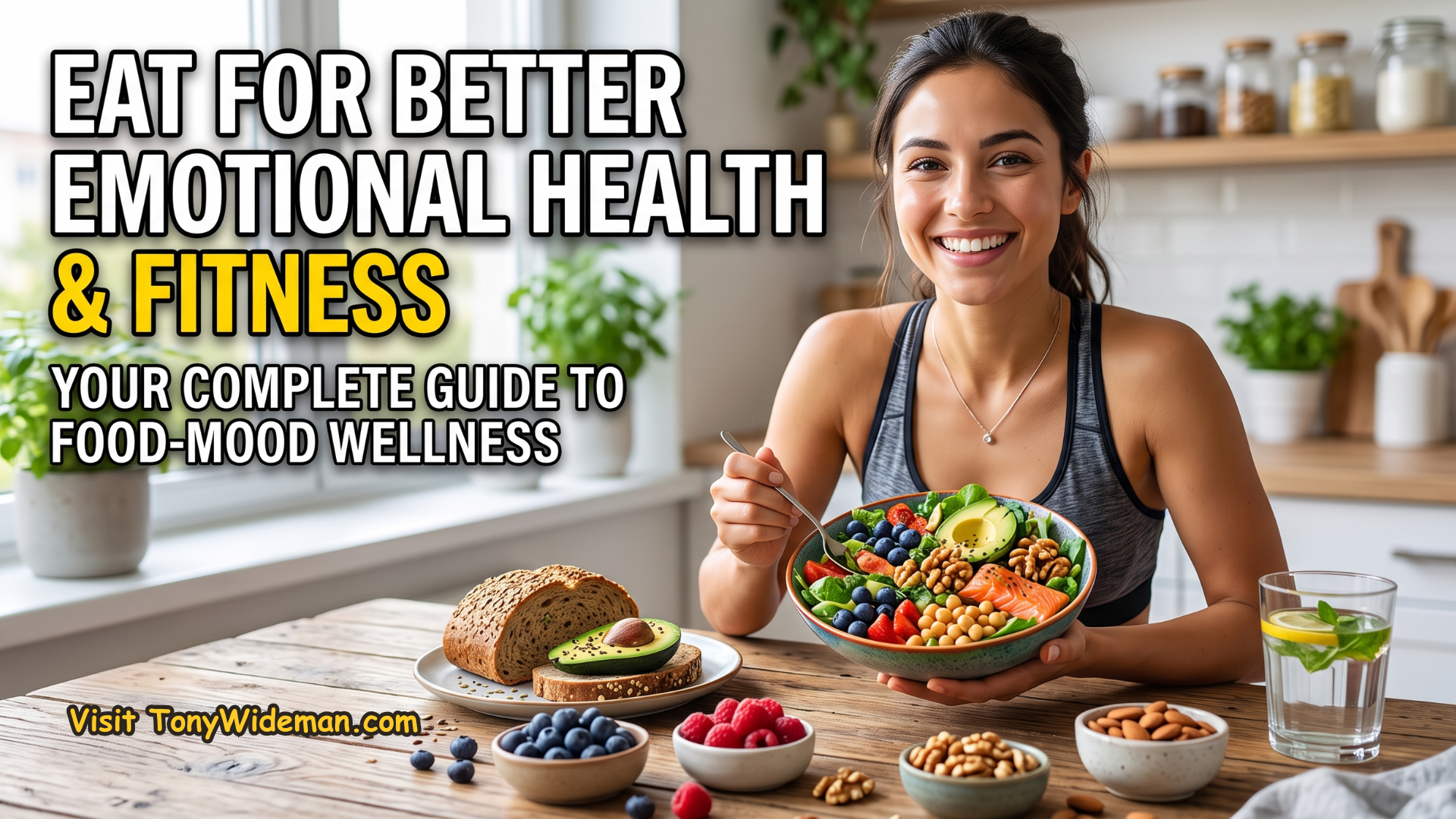
You don’t need a complete kitchen overhaul to start feeling the benefits, and honestly, trying to change everything at once is usually a recipe for burning out fast. Start small: swap one processed snack a day for a handful of nuts or a piece of fruit, add a serving of fatty fish to your week, or toss some fermented kimchi onto your dinner plate as a side. Building a mood-boosting grocery list can help too — stock up on leafy greens, berries, oats, yogurt, salmon, walnuts, and olive oil, and you’ll naturally start crowding out the less helpful stuff simply because your fridge is full of better options. Hydration matters here too, since even mild dehydration can mimic anxiety symptoms like restlessness and difficulty concentrating, so don’t overlook something as simple as drinking enough water throughout your day. Give yourself grace along the way — this is about building sustainable patterns, not achieving some unattainable standard of perfect eating, and small consistent shifts compound into real emotional resilience over weeks and months.
Conclusion
At the end of the day, your emotional health and your eating habits are far more intertwined than most of us were ever taught to believe, and that’s genuinely good news because it means you have real, tangible tools within reach. By feeding your gut microbiome well, taming chronic inflammation, and steadying your blood sugar, you’re essentially giving your brain the raw materials it needs to handle stress with more grace and bounce back from tough days more easily. This isn’t about chasing perfection or banning every treat forever — it’s about tilting the odds in your favor, meal by meal, so that your emotional fitness has a fighting chance alongside your physical fitness.
Frequently Asked Questions
Can changing my diet really help with anxiety and depression?
Diet alone isn’t a replacement for professional treatment. Still, a growing body of research shows that eating patterns rich in whole foods, healthy fats, and fiber are associated with meaningfully lower rates of depression and anxiety symptoms.
How long does it take to notice a mood improvement after changing my diet?
Some people notice subtle shifts in energy and mood within a couple of weeks. However, the more significant benefits related to gut microbiome diversity and reduced inflammation typically build over several months of consistent eating habits.
Are supplements a good substitute for eating whole foods for emotional health?
Supplements like omega-3 capsules can help fill gaps, but whole foods offer a broader mix of nutrients, fiber, and compounds that work together synergistically in ways isolated supplements generally can’t replicate.
Is it possible to eat too “clean” in a way that hurts emotional health?
Yes — rigid, overly restrictive eating patterns can sometimes trigger anxiety, disordered eating patterns, or social isolation, so flexibility and balance matter just as much as food quality.
What’s the single easiest first step to eating for better emotional health?
Start by adding rather than restricting — try incorporating one fermented food and one omega-3 source into your week, since small additions tend to stick better than dramatic dietary overhauls.