
Dopamine Fasting For Mental Health

Dopamine fasting has gotten a lot of attention as a self-care trend, especially for people who want to break out of digital overload or obsessive habits. I’ve spent some time trying out dopamine fasting for my own mental health, so I want to share what it really means, how it actually works, and some hands-on tips if you’re curious about giving it a go. It’s not about completely cutting out dopamine from your day (that’s just not possible), but more about taking breaks from activities that flood your brain with constant rewards.
What Is Dopamine Fasting?
The whole idea of dopamine fasting started in Silicon Valley circles and quickly spread on social media. It’s often described as a way to reset your brain, especially if you’re stuck in cycles of scrolling, snacking, or other quick-reward habits. The phrase can be a bit misleading; you’re not really trying to lower the actual dopamine in your brain. Instead, you’re cutting back on activities that deliver a lot of instant pleasure, like endless TikTok viewing or hours of online shopping.
The science is rooted in how brains handle instant rewards. Whether it’s a funny meme, a like on social media, or a phone notification, these things regularly give us tiny blasts of pleasure. If you’re always chasing these little bursts, your brain gets overused to constant stimulation. Dopamine fasting is about stepping back, letting your mind chill, and making space for more slow-burning, meaningful activities.
Researchers such as Dr. Anna Lembke at Stanford say that when we bombard our brains with nonstop pleasure, normal things can feel kind of dull. Stepping away, even for a short while, helps “refresh” things so simpler moments feel good again. If you want background on how reward pathways work, check out this summary.
Getting Started with Dopamine Fasting for Mental Health
Jumping into dopamine fasting doesn’t mean you need to lock yourself away or stop using all technology. From my own trial and error, the most effective way to begin is to pick just one or two things you want to step back from. For me, putting my phone away for a day made a surprisingly big difference in my mood and focus. You could try skipping video games, streaming sessions, or the habit of snacking between meals.
Here are the basic steps that I’ve found helpful:
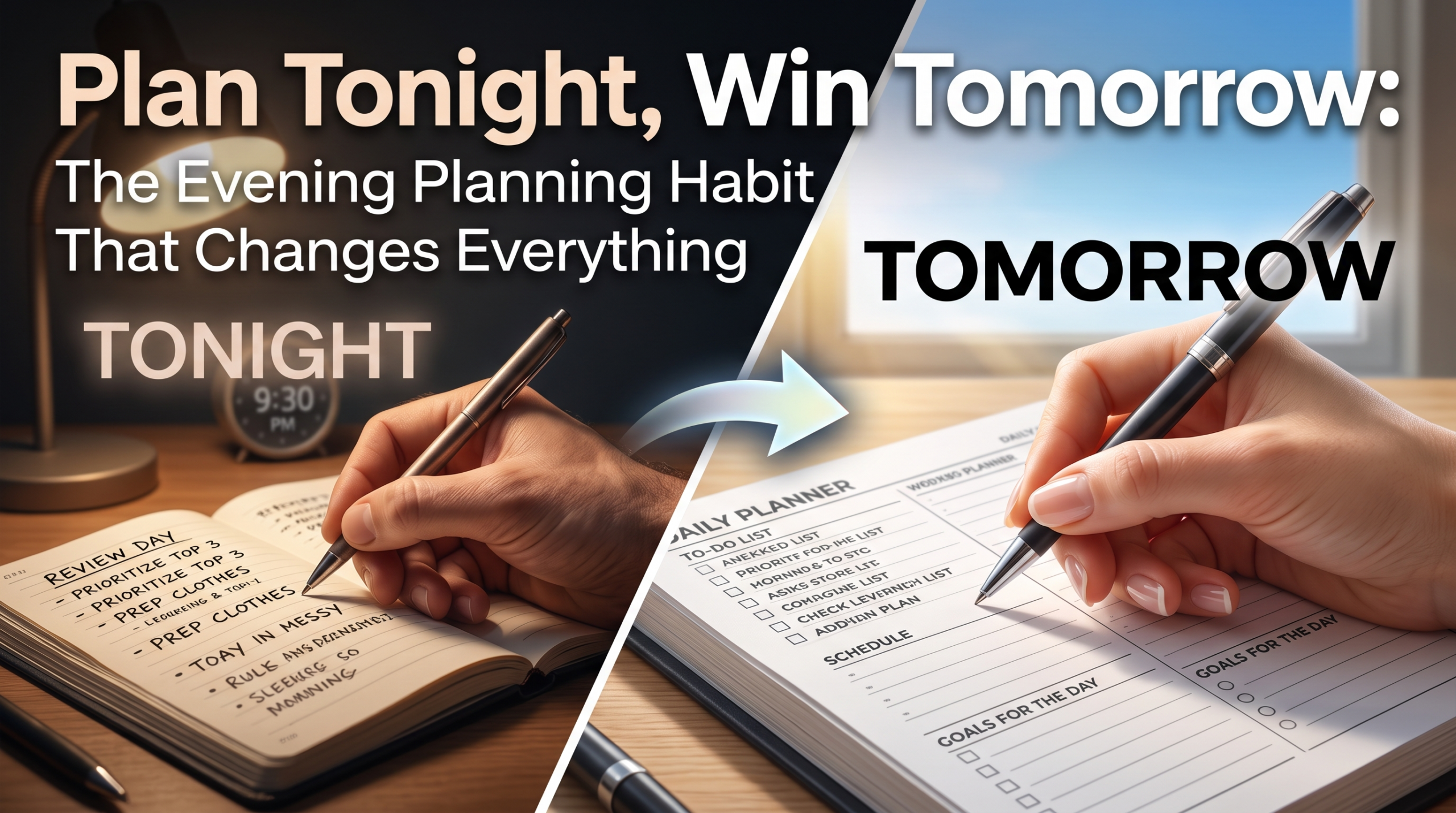
- Pick a timeframe: Block out a few hours, one afternoon, or maybe a weekend where you avoid your chosen habits.
- Set some rules: Write down or say what you’re cutting back on. Having clear boundaries helps keep you honest.
- Fill the time: Make a short list of alternatives—take a walk, read, try journaling, or enjoy a nap.
- Note the results: Afterward, jot down what you observed about your feelings and impulses and whether your mood lifted. This gives you insight into your own patterns and why they happen.
There isn’t a universal plan. Some folks do digital detoxes without screens; others step away from a specific high-reward habit. The biggest win for mental health is carving out mental breathing room—a bit of peace for your brain.
Benefits of Dopamine Fasting for Mental Health
Plenty of people turn to dopamine fasting seeking a clearer mind, steadier focus, and fewer mood swings. I’ve definitely noticed I enjoy simple things more, like chatting or taking a walk, after I’ve put aside screens or endless snacking for a while.
- Sharper focus: When you take a break from nonstop stimulation, tasks that need your attention feel less overwhelming.
- Less anxiety: Fewer pings and notifications usually lower stress levels. I find a short fast makes life less frantic.
- Mindful awareness: Without constant input, you start to notice your own thoughts, moods, and surroundings again. It’s easier to be present in the moment.
- Mood boost: Dopamine fasting won’t solve everything, but it does help when life feels stale or tense. Coming back after a break, everything seems fresher.
Some studies back up these points. Avoiding overstimulation, even temporarily, can retrain your brain to appreciate daily moments. Here’s a good article on.
Quick Tips for a Successful Dopamine Fast
If you want to give this practice a go, my biggest advice is to keep it simple starting out. You don’t need to go all over. Here are a few tips from my own experience and friends who’ve tried it:
- Start with baby steps: Select a low-pressure chunk of time—one evening, or just a few hours. Easing in helps build confidence.
- Have an accountability buddy: Mention your plan to a friend or family member. It keeps you encouraged and helps if the fast feels tough.
- Swap don’t just stop: Replace screen or snack time with things like drawing, journaling, cooking, or straightening up your space.
- Journal about your fast: Logging your urges and moods adds insight into your own habits, helping you understand triggers and progress.
- Change it up as you go: Assess what worked, what felt too hard, and tweak your approach next time. Each fast gets a bit less intimidating.
Some people like using timers or smartphone restrictions to make things go more smoothly. For others, putting the phone in another room is enough to make a real difference.
Things to Think About Before Trying Dopamine Fasting
Dopamine fasting might be trending, but there are some important points to keep in mind. It shouldn’t replace support from a mental health pro if you need more help. If you have a history of eating disorders, don’t fast from food unless your doctor signs off. There’s also a risk of cutting out too much at once, leading to boredom or irritation. Balance is key.
- Set your intention: Are you just curious, hoping for more focus, or wanting to hit pause on a bad habit?
- Stay moderate: Ditching everything enjoyable in one swoop usually backfires. Take it slow.
- Focus on activities, afterward, real-world, not people: Dopamine fasting targets behaviors, not relationships. Don’t skip real-world social time—that’s good for your mind and mood.
If the fast makes you feel worse, give yourself permission to adjust or stop. Selfkindness is vital, especially when you’re experimenting with routines that touch your emotions and thinking.
Screen Time
Lots of questions center on screens. Short breaks from your phone or laptop can quickly knock back distraction and boost your energy. Even turning off notifications for a spell makes a noticeable difference.
Snacking and Comfort Eating
Some fasts zero in on food, such as comfort eating when bored. If grabbing snacks is a default, even a short pause can reveal patterns—but don’t let yourself get hungry or skip meals that you truly need.
Digital and Social Habits
Cutting out social media, headline news, or shopping online for part of the day helps settle a racing mind. I usually spend that time outdoors or with people, which feels grounding and refreshing.
Balance and Flexibility
No two people are the same—your energy, needs, and habits will be unique. Treat this as a chance to see what fits your lifestyle, tweaking as you learn.
RealWorld Examples
I’ve chatted with people and seen more stories from those who make dopamine fasting a routine—some have a weekly “no screen Sunday,” others do it once a month. One friend was surprised by how much she enjoyed just playing music and walking her dog after skipping YouTube and TikTok for a whole day. Some say it helps them sleep better, argue less with family, or get more creative. Everyone’s fast looks different, but the positives are pretty similar.
If you’d like an expert breakdown, Harvard Health spells out the brain benefits from cutting down on overstimulation, even for a few hours.
Wrapping Up
Dopamine fasting is a flexible, DIY-friendly method to give your mind some peace from endless modern stimulation. I’ve found that unplugging for even brief periods lets me be more present, upbeat, and less cloudy-headed. The key is to personalize how you try it and notice what genuinely leaves you feeling better. Take it slow, track what helps, and most of all—go easy on yourself as you experiment. If you end up giving it a shot, I’d love to hear about your own experience!
Most of us have lots of questions about dopamine fasting. Here are some of the most common:
Frequently Asked Questions
Is dopamine fasting safe?
For most people, yes, provided you don’t go overboard, and you keep basics like meals and social contact in your day. When in doubt, ask your healthcare provider if it makes sense for you.
How long should I try it?
Anywhere from a couple of hours to a day or even just one meal without screens can do the trick. Listen to your gut, and find what works. There’s no contest here—it’s about feeling more grounded and refreshed.
What if I “mess up” or check my phone?
That’s normal and not a failure. The whole point is learning about your own patterns. If you cave and peek at a text, just notice the impulse and try again. This is practice, not punishment.
Does it really make a difference?
Many people notice better focus, steadier moods, and more appreciation for everyday things afterward. While research is ongoing, it’s an approach worth trying if you’re overwhelmed by habits that feel endless or draining.