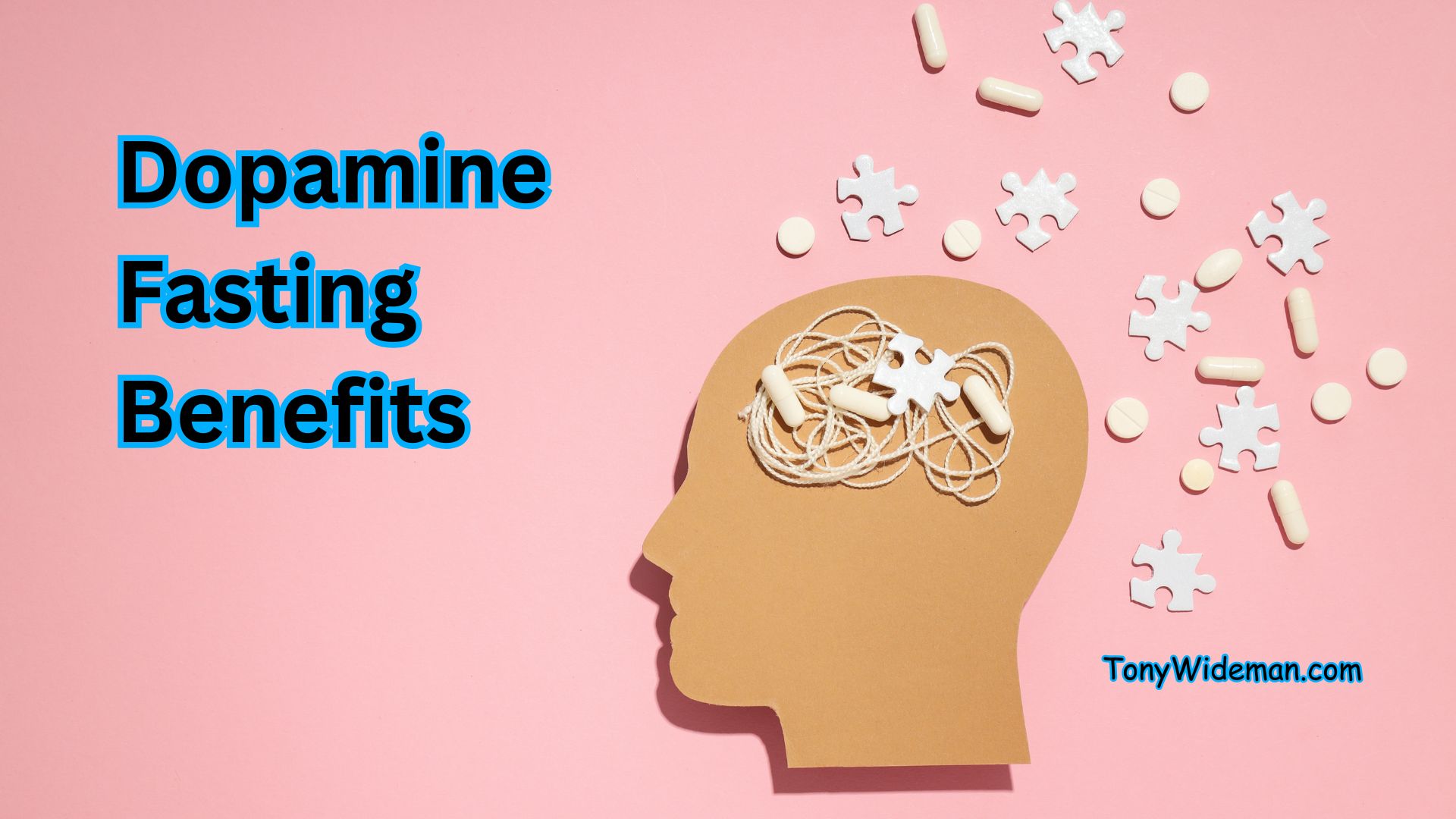
Dopamine Fasting Benefits
Dopamine fasting seems to be popping up everywhere in wellness circles lately. As someone always curious about fresh ways to reset habits, reduce screen time, and manage stress, I took a closer look at what dopamine fasting is really about. While the term might sound a bit science-heavy, it’s actually a pretty approachable tool for anyone looking to break free from some of life’s instant-gratification habits.

What Exactly Is Dopamine Fasting?
Dopamine fasting isn’t actually about starving your body of dopamine, the brain chemical that helps regulate pleasure and reward. Instead, it’s a strategy for stepping back from activities that deliver quick hits of pleasure, such as scrolling social media, snacking, or binge-watching TV shows. The idea is to spend a set amount of time away from these routines so your brain gets a break from easy rewards, making regular activities feel more fulfilling again. In essence, it’s about giving your mind a breather so that the simple things can bring joy again. I think this would work for me.
This concept gained attention in Silicon Valley as a productivity hack, but it isn’t entirely new. Taking breaks from pleasurable activities has roots in mindfulness and even some religious practices. Today, people use dopamine fasting to help boost self-control, manage addictive behaviors, and just feel a bit more in control of their choices.
Why People Try Dopamine Fasting
Most of us don’t even realize how often we reach for small, quick-reward behaviors, be it a glance at our phones, a handful of chips, or a sudden online purchase. Dopamine fasting offers a way to spot these patterns and press pause, making us more aware of our choices and their impact on our daily lives.
After starting the practice, I noticed how often I’d open social apps for no particular reason. Even taking two hours away made me use my phone more intentionally and less for mindless swiping. That new awareness became one of the main draws for me and many others.
- Breaks the cycle of constant stimulation: Taking a break makes you focus more on the present moment.
- Lowers dependence on external rewards: You end up relying less on habits that may not add much value in the long run.
- Reduces mental fatigue: Reducing easy pleasures lets the brain rest and reset.
- Increases appreciation for simple joys: After a fast, everyday experiences can seem more enjoyable again.
How Dopamine Fasting Works
This type of fasting is pretty flexible. Some folks go all in and avoid screens, snacks, music, talking, or anything super stimulating for several hours. Others might just pick one area, like social media, or limit their fasts to certain times of day, such as after 8 p.m.
You don’t have to go extreme. Most people can easily try a short practice by simply picking the main habit that’s become too automatic and setting aside a few hours or a whole day without it. Here’s a quick breakdown of the most popular steps:
- Pick your triggers: Choose the activities you want to take a break from—maybe it’s social media, video games, or mindless snacking.
- Set your time frame: Decide how long to step away—an afternoon, a full day, or even a tech-free weekend.
- Swap in low stimulation activities: Try going for a walk, reading, working on a puzzle, or just resting instead.
- Reflect afterward: Notice whether you feel more refreshed, less compulsive, or just happier overall.
Building routine dopamine fasts into the week can encourage lasting changes in how you approach habits and make choices.
Real Dopamine Fasting Benefits
Turning away from instant gratification actually creates space for some pretty eye-catching changes in how you feel and function from day to day. I experienced many subtle improvements after just a few sessions, and there’s growing research to support these effects.
- Stronger focus and productivity: Without constant digital interruptions, I had much more energy for creative projects and deep work.
- Improved mood: Less screen time meant fewer opportunities for comparison and information overload, which really kept my attitude positive and helped me stay calm.
- Better self-control: Saying “not now” to little triggers made it easier to resist other impulses throughout the day.
- Reduced anxiety: Turning off notifications led to more restful nights and left me less jittery overall.
- Rekindled personal connections: With digital distractions out of the way, real conversations with friends and family felt deeper and more enjoyable.
Not everyone will experience all these shifts right away; changes tend to be gradual and depend on what you’re stepping back from and how committed you are to the process.
Common Challenges and How to Handle Them
Taking a break from small pleasures that give your brain those little bursts of happiness is not always easy. Expect to feel a bit restless, especially if you’re used to checking your phone or reaching for a snack every few minutes. Here are some common hurdles and what worked for me:
- Boredom: Downtime can feel awkward at first. Making a list of simple, enjoyable activities—like reading, doodling, or just looking at nature—helped fill the gap.
- Worry about “missing out”: Not checking messages or social media may trigger fears that you’ll miss something big. I reminded myself that a few hours offline rarely make much difference, and that the break is worth it.
- Difficulty pausing bigger habits: Some routines are hard to break. Focusing on one or two habits at a time—and not being too hard on yourself if you slip—helps the change stick.
- Telling others: Friends or family might be surprised if you seem “off the grid.” Giving them a heads up ahead of time keeps things smooth and prevents worry.
When Dopamine Fasting Isn’t Right
Dopamine fasting shouldn’t be used as a substitute for therapy or medical help when you’re dealing with bigger mental health issues or addictive behaviors. If habits are making life tough, reaching out to a mental health professional is always the best move.
Practical Tips for Starting Dopamine Fasting
If you’re interested in trying dopamine fasting, start with small steps and remember to be flexible. Here’s what I found useful when I brought it into my routine:
- Pick just one main habit—like checking your phone—and set aside a few hours away from it.
- Use that time for something restorative, like a walk outside, a quick nap, or hands-on creative work.
- Perfection is not the goal—simply noticing your urges is part of the process and a win in itself.
- Get a friend or family member to try it with you. It makes the experience more enjoyable and offers social support.
- Keep track of your progress, maybe with short journal entries or voice notes, to celebrate wins (no matter how small).
Journaling about your dopamine fasting experience is more impactful than you might expect. Tracking your feelings and adjustments can make it easier to see positive changes over time, which boosts motivation to stick with the habit.
Everyday Ways to Build More Awareness
Dopamine fasting, at its core, is about building more intentionality into your day. Here are a few regular practices I found super helpful for keeping awareness high and habits healthy:
- Create tech-free zones—try making the first hour of your morning or the last hour before bed screen-free.
- Mix up your routine. Small changes, like a new breakfast, can keep your mind engaged instead of slipping into autopilot.
- Embrace single-tasking: focus on one thing at a time rather than juggling multiple tasks.
- Try short mindfulness activities to ground yourself in the present, whether that’s deep breathing, listening to music, or simply savoring your meal.
Even tiny changes can help you spot those “autopilot” triggers and bring more calm and enjoyment back into daily life.
Dopamine fasting doesn’t require dramatic changes. It works best when you approach it with an open mind and some self-compassion. For anyone curious about resetting and finding a fresh relationship with everyday habits, it’s definitely worth checking out from time to time.
The Online Business Revolution is Here.
Join millions using AI to grow blogs, brands, and businesses faster than ever. Don’t be left behind in the AI boom.
Frequently Asked Questions
Question: Is dopamine fasting the same as a digital detox?
Answer: Dopamine fasting sometimes overlaps with a digital detox, but it’s not just about screens. It includes any activity that brings a strong, immediate rush of pleasure, like eating junk food or spur-of-the-moment shopping.
Question: How often should I try dopamine fasting?
Answer: There are no hard-and-fast rules. Some folks try it one day a week; others jump in whenever their habits start to feel too automatic. Go with whatever feels helpful to you.
Question: What activities are okay during a dopamine fast?
Answer: Anything that doesn’t kickstart intense cravings or urges is generally fine. Gentle walks, reading, stretching, meditation, or journaling can all fit in.
Question: Do I have to avoid all pleasure during a fast?
Answer: Not at all. The practice is about being awake to your choices, not punishing yourself. Simple activities that bring peace or help you reset are perfectly fine.