From Vacant Lots To Vibrant Life: How Public Land Gardening Is Rebuilding American Neighborhoods
Vacant lots are often seen as wasted space or magnets for problems in the hoods and towns. I’ve seen neighborhoods where empty plots sit, fenced off or overgrown, making whole blocks feel abandoned. But in many places across the country, things are starting to change. Residents, often with a bit of help from local officials or nonprofits, are turning these unused public lands into thriving community gardens that do much more than add green space. They’re rebuilding neighborhoods in some pretty fundamental ways.
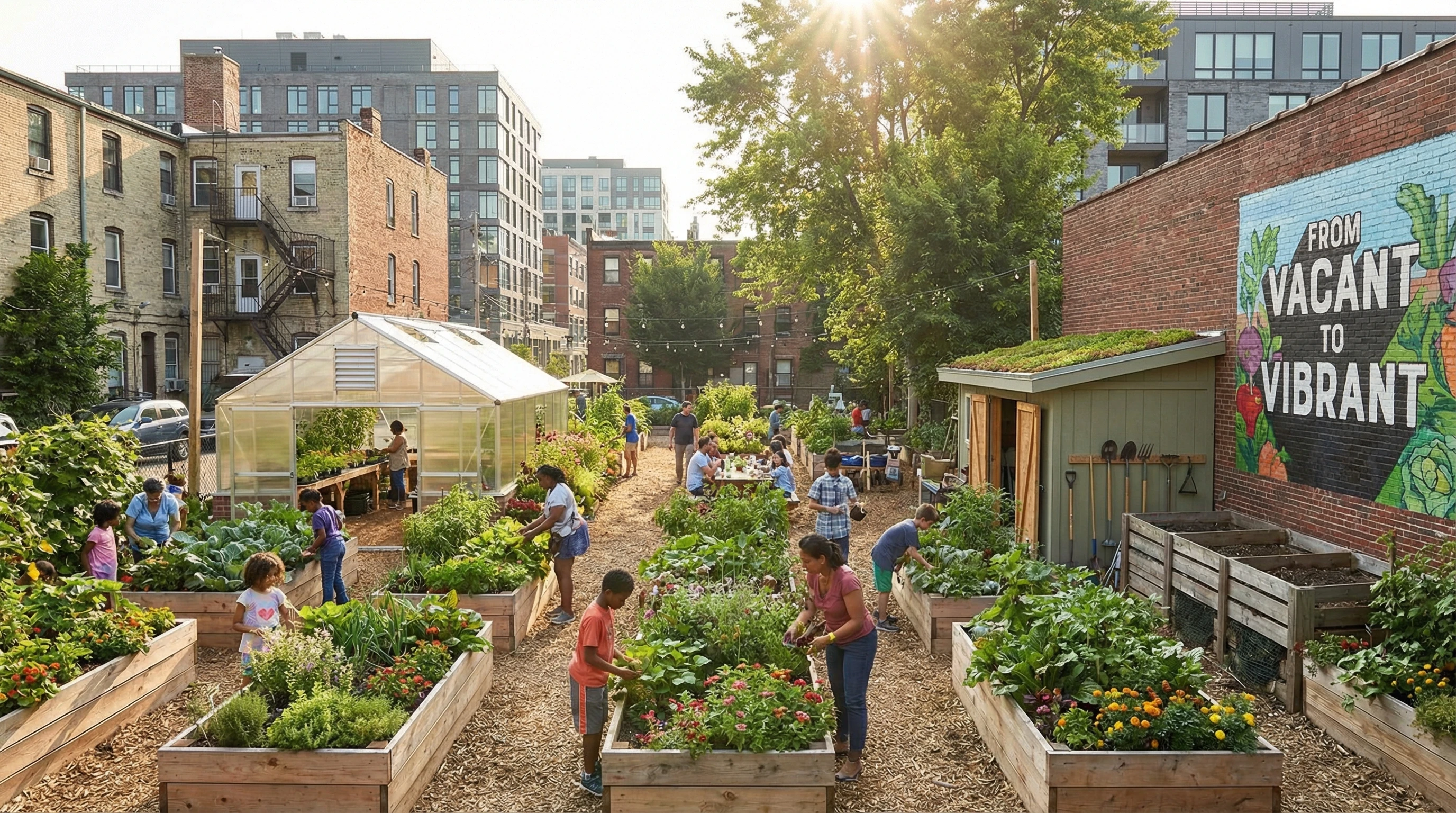
How Community Gardens Transform Vacant Land
I would like community gardens not just to make neighborhoods prettier but to help entire communities feel safer, healthier, and more connected. When you walk past a garden where people are planting tomatoes, chatting with neighbors, and sharing herbs or squash, it stands out. It’s the opposite of just another empty, weedy lot.
Data backs me up. Studies have shown that transforming vacant land into gardens can help reduce nearby crime rates and even hike up property values—sometimes by around 9.4%, which is more than pocket change for local homeowners. When people show they care about a space, others are less willing to mess with it. That’s where the “eyes on the street” idea comes in. A garden that’s busy with everyday folks discourages crime, and neighborhoods tend to look out for each other a bit more.
Neighborhoods like West Philadelphia and Detroit are often cited as places where residents took the lead, turning lots no one wanted into prized spots. In Philly, for example, the Pennsylvania Horticultural Society has helped steward thousands of garden plots, and research has found that blocks near gardens saw less gun violence. That kind of domino effect, where one small step leads to a bigger change, really stands out.
Social Benefits That Add Up Fast
I’ve visited a couple of these gardens over the years, and the social change is easy to spot. Residents feel invested in their streets, and people who might not otherwise meet start talking over beds of kale or sunflowers. Gardeners trade composting tips, introduce each other to foods from different backgrounds, and build trust simply by sharing work and produce.
There’s something contagious about that energy. When people see their neighbors working together, cleaning up, and growing things, they’re more likely to get involved or at least show respect for the improved space. It works as a subtle form of peer pressure that keeps abandoned lots from sliding back into neglect. This is a big reason why even people who don’t garden often speak up to maintain these protected and funded spaces.
These gardens often act as outdoor classrooms, too. Kids get their hands dirty and actually see where food comes from. Adults pick up healthy eating habits or learn a bit about sustainable growing. Many garden groups even donate extra produce to local food banks, so the benefits extend beyond the garden fence.
On top of that, community gardens frequently serve as gathering places for festivals, cultural events, or weekend barbecues; reinforcing neighborly bonds and making a once-forgotten lot a true community hub. People of all ages and backgrounds find a reason to pitch in and enjoy the results together.
The Local Crime Drop: Why Community Gardens Matter to Safety
Empty lots are sometimes hotspots for illegal dumping or troublemakers because no one’s watching. Once a garden takes over, that changes. University studies in cities like Chicago and New York have documented a reduction in crime, especially around blocks with new gardens or cleaned-up vacant land.
The presence of regular gardening activity means more people with eyes on the street. Neighbors are outside, looking out for each other, which encourages everyone to take better care of the area. In my experience, it also just flat-out feels safer to walk down a block where you know someone, or even see familiar faces from the garden.
There’s a psychological effect as well. When you see a well-kept space, you’re less likely to mistreat it. This is part of why the “broken windows” theory matters here; if an area looks cared for, most people aren’t tempted to trash it, litter, or break the rules. The act of putting in some raised beds, planting perennials, and getting folks to show up week after week pays off for the whole community.
Property Value and the Multiplier Effect
Turning a vacant lot into a garden isn’t just a feel-good move; it’s got some solid financial perks too. Research from cities such as Cleveland and Philadelphia indicates that nearby property values increase after gardens are installed. For example, a study led by Wharton School researchers found increases of up to 9.4% meaning homeowners benefit in more ways than one.
But it’s not only the financial aspect that stands out. When property values rise, the city collects more tax revenue, which can be reinvested in infrastructure, schools, or community spaces. This is what people mean when they mention a “multiplier effect.” Small changes ripple out, touching the lives of nearby residents, encouraging long-term investment, and helping rebuild the local economy from the ground up.
Neighborhoods with community gardens also report a stronger sense of pride and even lower insurance rates over time. As more neighbors become invested, blocks become safer, and everyone from local businesses to homeowners can see the benefits add up.
Getting a Garden Off the Ground: Steps and Hurdles
Starting a garden on public land can be a pretty big group effort. There’s the organizing, working with city or county officials, clearing the land, and making sure there’s enough water, sunlight, and people power to keep it all running. But with the right approach, a group of dedicated neighbors usually finds ways to get started.
- Find Your Supporters: Start small, maybe with a neighbor or two. Many cities have land banks or programs to help turn vacant lots into gardens, so it’s definitely worth checking whether one is available.
- Check Local Rules: Permits, waivers, or other legal agreements are usually required, especially if the city owns the land. Nonprofit partners can often help you navigate the red tape.
- Plan for the Long Haul: Sustaining a garden means planning for upkeep—water, tools, volunteers, and a little funding. Some gardens create plots for families, while others opt for more shared space and communal planting.
- Work With the Community: The best gardens feel inclusive. Involve people from all walks of life: kids, elders, longtime residents, and newcomers. Outreach and events can help make sure everyone feels welcome.
Bringing together local schools, nearby businesses, and faith groups can also help make things more sustainable and exciting. The more hands involved, the easier it is to keep a sense of ownership and pride in the space.
Common Challenges and Simple Solutions
Not every vacant lot garden survives. Issues such as vandalism, volunteer drop-off, or water access problems can prevent a project from taking root. But most of these can be addressed through practical planning.
- Keeping Volunteers Engaged: Regular events, such as harvest festivals or spring planting days, can build excitement. Recognizing volunteer efforts with small thank-yous helps people feel valued.
- Managing Supplies and Costs: Local businesses sometimes donate supplies, and mini-grants are available for community improvement projects. Donated compost or recycled materials can stretch a budget further.
- Preventing Vandalism: Simple decorative fences, community signs, proper lighting, and making sure someone is often present can help keep trouble away.
Water Access
Getting water to a plot is a common headache, especially in big cities where hydrant access is tightly watched. Solutions can be as simple as asking the city for seasonal help, working with neighbors to share hoses, or setting up rainwater catchment systems when possible. Teaming up with nearby community centers or churches can also help keep things running smoothly.
Long-Term Care
Gardens that stick around year after year have solid leadership—sometimes a committee or a rotating board of participating neighbors. Sharing the workload helps prevent burnout. Having annual schedules or small tool-and-seed fees also goes a long way toward keeping things running year after year.
In strong community gardens, traditions such as summer picnics, skill-sharing workshops, and seasonal celebrations help sustain interest and keep everyone rowing in the same direction. Getting the next generation involved in after-school programs or gardening days also helps ensure long-lasting commitment.
Key Takeaways: Growing a More Vibrant Neighborhood
Bringing life back to a vacant city lot can spark a ripple effect of positive change—from more home value and safer streets to new friendships and better food. Community gardens on public land aren’t just about plants; they’re about people reclaiming and rebuilding the place they call home, one growing season at a time. As more neighborhoods jump on the bandwagon, these formerly forgotten spaces start to stand out for all the right reasons.
The Online Business Revolution is Here.
Join millions using AI to grow blogs, brands, and businesses faster than ever. Don’t be left behind in the AI boom.
Frequently Asked Questions
With so much buzz around community gardening, a few common questions always pop up:
How do people find out whether increased neighborhood involvement, soon after garden projects begin, public lots are available in their neighborhood?
City government websites, local nonprofits, and community associations are solid places to start—many cities put out lists and applications online, making it easier for folks to get started.
What happens if the city decides to build on the land later?
In most cases, gardeners need to sign agreements that say the city can reclaim the land, but there’s usually some warning. Many projects plan for portability, using movable beds or mobile tool sheds, just in case a change comes down the road.
Can community gardens really lower crime?
Studies, including work by the University of Pennsylvania, show a dip in crime rates and increased neighborhood involvement soon after garden projects begin. It isn’t a cure-all, but it’s a proven tool for safer, more welcoming streets.