How To Start Container Gardening
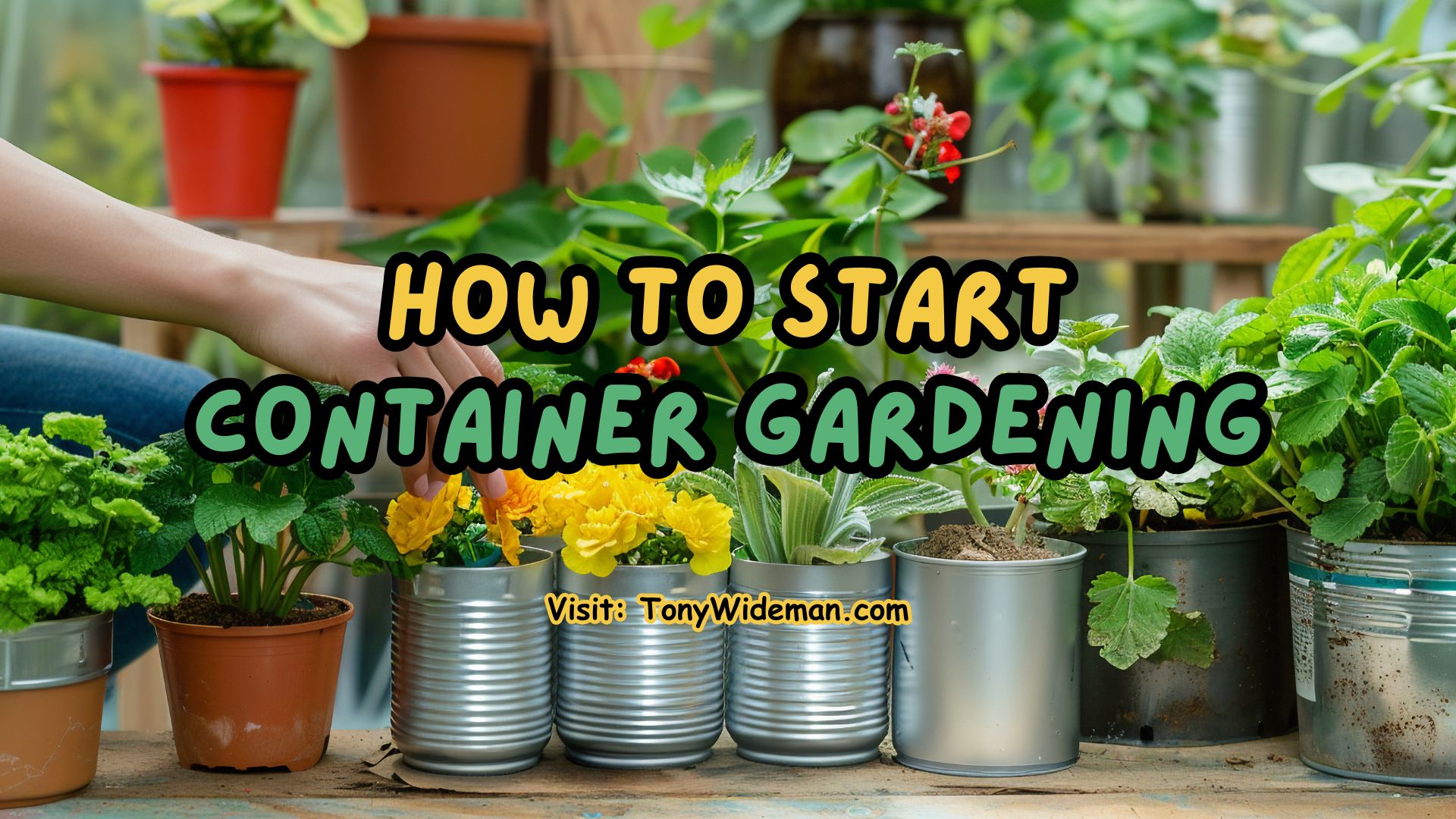
Container gardening is a super handy way to grow flowers, veggies, or herbs, even when you don’t have much space. You don’t need a big yard or loads of time, just a sunny spot, the right containers, and a little enthusiasm. Whether you have a balcony, a small deck, or just a window ledge, getting started with container gardening is totally doable for anyone.
I started my own container garden years ago with just a handful of pots, a few Tomato Plants, and herbs. It was honestly pretty fun (and useful) to watch those little plants take off and become fresh ingredients for my meals. If you’re curious about bringing some green magic into your home or outdoor area, this guide will walk you through each step, from choosing containers to troubleshooting common problems. There are tons of perks: container gardens are easy to manage, offer flexibility, and add some real life to smaller spaces. Plus, watching your plants thrive is really rewarding, no matter your experience.
Step 1: Decide What You Want to Grow
Picking what you want to grow is a mix of what excites you and what fits your space. With container gardening, you can grow almost anything, but some plants just do better in containers than others. You get to call the shots—maybe you want a kitchen full of fresh herbs, vibrant flowers, or a salad bowl of homegrown veggies.
Questions to Consider:
- Do you want herbs for cooking, flowers for color, or veggies for salads?
- How much sunlight does your growing space get?
- How much time do you want to spend watering and caring for your plants?
Popular Container Plants:
- Basil, mint, parsley, thyme, chives (herbs grow fast and are easy to use)
- Lettuce, spinach, cherry tomatoes, peppers (great for snacking or salads)
- Petunias, marigolds, pansies (colorful flowers that brighten any spot)
Herbs and leafy greens are especially forgiving if you’re just getting started. They don’t need as much room and often bounce back if you miss a watering here or there. Flowers are also a great pick if you want constant color. If you’re short on sunlight, leafy greens or some herbs like mint do well with less light.
Step 2: Pick the Right Containers
Those mismatched pots in your garage? Totally usable. But there are some things to know before filling them with soil. Containers are more than just the vessel—they help keep plants healthy and happy while serving as decoration, too.
Container Basics:
- Containers need drainage holes at the bottom to keep plants from drowning.
- Bigger is usually better. A deep, wide pot lets roots spread out and holds more water, which means less stress for your plants and less work for you.
- Materials matter. Terracotta pots are classic and look nice, but they dry out faster than plastic or glazed pots. Plastic pots hold moisture better and are lighter if you plan to move them around.
Even buckets, old baskets (lined with plastic and holes punched in), or small storage bins can work if you’re feeling creative. Just make sure there’s good drainage and enough room for roots to grow. Window boxes and hanging baskets are great for maximizing vertical space if you don’t have much area to spread out.
Consider color and placement, too. Light-colored containers reflect heat, which can help plants stay cool in warmer months. Think about weight if you’ll need to move your pots—plastic and resin containers are much easier to shift than big ceramic ones. Container shape matters, too. Tall pots are ideal for deep-rooted plants. Wide, shallow bowls are a good choice for lettuces, strawberries, or succulents.
Step 3: Choose the Right Soil and Potting Mix
Using regular garden soil isn’t a good idea for containers. It’s heavy, doesn’t drain well, and can bring in pests. Bagged potting mix is much lighter and often includes peat moss, coconut coir, or perlite to help retain just the right amount of moisture.
What to Look for in Container Soil:
- Choose a “potting mix”—not “garden soil.” Most brands add nutrients, so you won’t need to fertilize right away.
- Add a handful of compost for extra richness if you have it; plants will thank you.
- For veggies and herbs, check whether your potting mix is certified organic if that’s important to you.
I usually open the bag, fill my pots about three-quarters full, and then water. The soil settles, and I top off with more, leaving about an inch at the top so water doesn’t spill over the edge. Mixing a little slow-release fertilizer into the potting mix as you go is a smart move, especially if you plan to keep your plants growing all season.
Step 4: Planting and Spacing
Plant spacing matters in containers. Crowding too many seedlings together can stunt their growth. Smaller containers suit single plants or a few herbs; bigger pots are perfect for larger veggies or mixing different types. Give your plants a little space to thrive.
How to Plant in Containers:
- Gently tease roots free before planting, especially if they’re rootbound from store pots.
- Dig a hole about the size of the plant’s root ball. Place the plant, firm the soil around it, and press down gently.
- For seeds, follow the package instructions for depth and spacing. Water lightly after planting.
Don’t forget plant tags or popsicle sticks as markers, so you remember what’s what. If you want a mix of herbs, you can group basil, thyme, and chives together, but give each enough breathing room. Flowers look amazing when you mix different heights and colors in one big planter.
Step 5: Watering and Feeding Your Container Garden
Container plants dry out way faster than those in the ground. How often you’ll need to water depends on the season, pot size, and plant type. When it gets hot, you may need to water daily or even twice a day for sun-loving and thirsty plants.
Watering Tips:
- Check pots daily in hot weather. Stick a finger an inch into the soil; if it feels dry, it’s time to water.
- Water deeply until it drains from the bottom, so the whole root system gets a good drink.
- Morning is the best time to water, so plants can soak it up and dry off before evening.
As for feeding, slow-release fertilizer granules or a liquid plant food every couple of weeks works nicely. Just follow the directions. Leafy greens and herbs don’t need as much as heavy feeders like tomatoes or peppers, but all container plants will appreciate a regular snack.
Mulching with shredded bark, straw, or even pebbles on top of the soil can help lock in moisture, reduce weeds, and keep your pots looking neat. Self-watering containers are also an excellent hack for extra busy weeks or vacations.
Step 6: Keeping Pests and Problems in Check
Container gardens aren’t immune to bugs, mildew, or yellowing leaves, but it’s a bit easier to keep things under control than in a sprawling yard. Being observant and acting quickly are key to keeping your plants healthy.
Quick Solutions for Common Issues:
- Check plant leaves and soil regularly for holes, bugs, or sticky spots.
- Pick off any visible pests by hand, or spray plants with a gentle soap-and-water mix.
- Remove yellow or dead leaves to keep plants healthy and stop diseases from spreading.
If you’re noticing slow growth or sad-looking leaves, your plant might need a boost of nutrients, a bigger container, or more (or less) sun. Sometimes moving a plant just a few inches can get it the light it needs. Take a minute every week to look over the leaves, check the soil, and give your plants a once-over—they’ll pay you back with better growth and fewer problems.
Final Tips & Where to Go Next
Container gardening is not about following rules perfectly. It’s about adapting to your space, experimenting, and watching things grow. It doesn’t take much equipment or knowledge to start seeing results, and it’s a rewarding way to green up your living area, eat fresher, and even relax after a long day.
Get creative with your containers, mix in some variety, and don’t stress about perfection. Your setup can grow alongside your experience, and there is always room to add more plants or to shuffle things around as you get more confident. Gardening is as much about enjoying the process as it is about the final harvest.
Your Beginner Gardener Checklist:
- Pick a couple of low-maintenance plants for your space.
- Choose containers with drainage and fill with good potting mix.
- Check water needs daily, and feed every few weeks.
- Watch your plants, adjust as needed, and jot down what works each season.
Once you get the hang of it, you can always add new plants, try new combos, or scale up as you get more confident. Remember to celebrate the small wins—whether it’s your first sprout, a colorful blossom, or your first homegrown salad.
If you have fun stories or container garden mistakes you’ve learned from, I’d love to hear them in the comments. Happy gardening, and may your containers overflow with green goodness!
The Online Business Revolution is Here.
Join millions using AI to grow blogs, brands, and businesses faster than ever. Don’t be left behind in the AI boom.
Frequently Asked Questions & Troubleshooting
Can I grow veggies if I only have afternoon sun?
Lots of container favorites, like basil, peppers, and cherry tomatoes, do well with 4–6 hours of afternoon sunlight. Leafy greens like lettuce or spinach can handle partial shade if your space isn’t super sunny. Experiment with placement and see which spots get the most light throughout the day—you might be surprised where plants do best.
How do I keep squirrels or pets out of my containers?
- Try placing small stones or chicken wire on top of the soil.
- Herbs like rosemary and mint can sometimes deter critters thanks to their strong scent.
What if I forget to water for a day or two?
Your plants may wilt, but most will bounce back after a good soak. Self-watering containers and mulching the top of the soil can help retain moisture, so you don’t have to worry as much if you miss a watering here or there. Consider grouping your pots closer together during hot spells to reduce evaporation.
Can I move my containers if the weather changes?
Absolutely! One of the perks of container gardening is that you can move your pots around to catch more sun, shelter them from storms, or protect delicate plants from frost. This flexibility keeps your garden thriving through the seasons.