The New Public Square: Why Every US City Needs Edible Parks
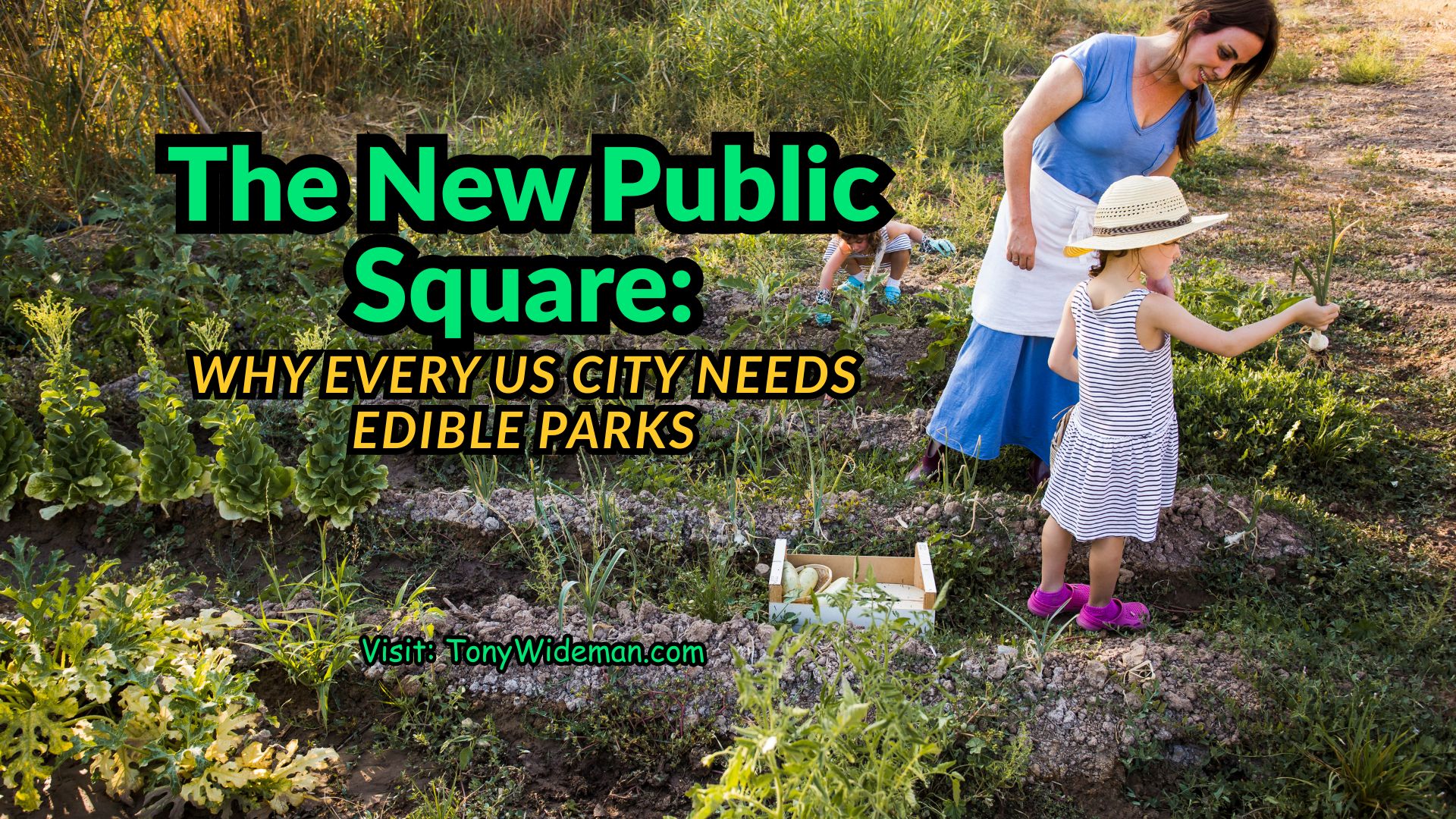
Public parks have always been one of my favorite places to unwind, connect with nature, and meet neighbors. Lately, there’s a fresh idea picking up steam in cities all across the U.S.: edible parks, also called food forests. Turning traditional parks into green spaces filled with fruit trees, berry bushes, and veggie patches isn’t just trendy gardening. Edible parks provide steady access to fresh produce, especially in communities where grocery stores are scarce. I’m breaking down why every city should make edible parks part of its public spaces. Food, after all, is one of the best ways to bring people together.
What Is an Edible Park?
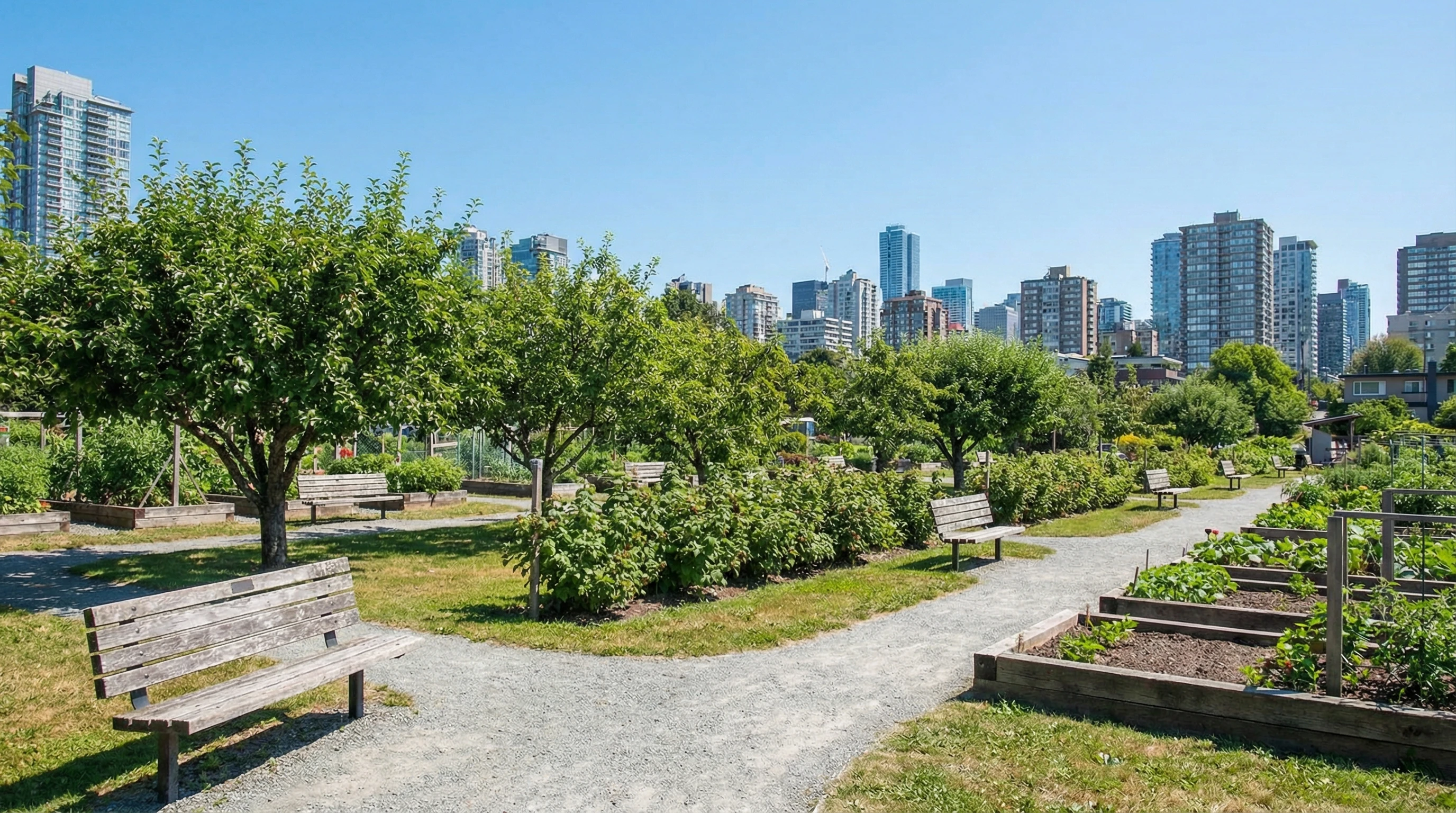
Think about a city park with leafy paths, but swap out most of the tidy flower beds for peach trees, blueberry bushes, and rows of kale or tomatoes. Edible parks are public green spaces where anyone can pick ripe produce for free. Instead of just grass and playgrounds, these parks might have apple orchards, climbing vines loaded with grapes, or even dedicated herb gardens. They work just like regular parks: open to all, no entry fee, and perfect for neighborly connections.
Food forests, a specific style of edible park, are designed using sustainable agriculture techniques. They have layers of plants—from tall nut trees to low berries and ground-level greens. Some cities even plant perennials that come back every year and thrive with very little work or water. Edible parks are popping up everywhere, from Atlanta’s thriving food forest to small pilot projects in Portland and Minneapolis. There’s a real shift toward turning public land into working gardens rather than just green lawns.
Why Edible Parks Matter – Especially in Underserved Areas
Fresh fruit and veggies are super important for health, but not everyone can afford them or even find them nearby. Some neighborhoods, especially those that have been historically underfunded, face food deserts; places where grocery stores are few and far between. Edible parks make it possible for literally anyone to walk over and grab a handful of berries or a basket of greens. There’s no checkout, no paperwork, and no questions asked.
For people facing food insecurity or tight budgets, these spaces offer relief and dignity. It’s one thing to rely on handouts; it’s another to enter a sunlit park and pick your own produce, just like anyone else. Edible parks can help reduce stigma, give people a much-needed break from everyday stress, and bring nutritious ingredients straight to their dinner tables. More importantly, seeds from the free fruits and vegetables can be used to grow private backyard gardens.
Getting Started: Turning Parks Into Food Forests
Transforming a traditional park into an edible park starts with some basic groundwork. Here are a few key steps cities can follow when launching one of these projects:
- Site Selection: Planners can look for parks with space, sun, and safe access by foot or transit. Some parks dedicate only a section to food forests; others go all in.
- Community Engagement: Success really depends on what nearby residents want and need. City staff and nonprofits often hold meetings, walkthroughs, or surveys to see what fruits, veggies, and herbs people actually eat or want to learn about.
- Plant Selection and Design: Designers choose plants that will thrive in local weather and soil, favoring perennials and native species. Layering trees, shrubs, and ground plants maximizes output while naturally keeping pests at bay.
- Ongoing Maintenance: While food forests are lower-maintenance than regular grass lawns, they still require weeding, mulching, pruning, and assistance from volunteers or city staff. Many edible parks recruit neighbors to help take care of the space and share the harvest.
Benefits Beyond Fresh Produce
Access to food is just one perk. Edible parks bring substantial wins for neighborhoods, cities, and the environment. Here are a few key advantages:
- Green Space Equity: Instead of parks that look nice but serve only a few, edible parks provide real benefits to everyone who visits.
- Urban Cooling and Habitat: Dense plantings of fruit and nut trees shade sidewalks and cool cities, making a noticeable difference during heat waves. These parks also attract pollinators and birds, helping to combat urban biodiversity loss.
- Education: Teachers, parents, and local groups use edible parks for lessons about growing food, sustainability, and easy cooking skills. Families pick up know-how they can use at home, too.
- Building Community: Shared harvest events, planting days, or “pick your own” weekends help create real friendships and networks within neighborhoods. Food brings people together, and working side by side in a garden is a great way to start conversations that might not happen elsewhere.
Tips for Success: What Cities and Residents Should Know
- Start Small: Testing the idea with a single edible garden, food forest patch, or pilot park helps gather feedback without taking big risks. Many large projects began with a small orchard or handful of berry bushes tucked in a corner.
- Go For Diversity: Plant multiple types and varieties; some ripen in summer, others in fall. This way, there’s always something to pick and share throughout the year. Different plants also spread the workload and reduce pest issues.
- Involve the Neighborhood: Parks do best when local residents not only use them, but also help guide planting, harvesting, and event schedules. This keeps things lively if city budgets get tight.
- Expect Mistakes: Not every plant makes it, especially in year one. Learning what works and what doesn’t is part of the adventure, so swapping crops or redesigning a bed can be expected.
Choosing the Right Plants for an Edible Park
Successful parks mix low-maintenance favorites and species suited to the local climate. Here’s a sampling you may find in many urban food forests:
- Fruit Trees: Apples, pears, plums, peaches (dwarf or standard varieties depending on space)
- Berry Bushes: Blueberries, raspberries, blackberries
- Vining Fruits: Grapes or hardy kiwis twining along fences or trellises
- Native Nuts: Hazelnuts (filberts), chestnuts
- Herbs and Greens: Mint, oregano, chives, kale, collards
- Pollinator Plants: Wildflowers and native grasses to attract bees and butterflies
Mixing annuals (like tomatoes and peas) into perennial plantings lets folks learn about gardening year-round, but most parks keep plenty of perennials for easy, reliable harvests. These choices help ensure that, year after year, there’s always something growing—and people can get to know the space as it matures.
Common Hurdles and Smart Solutions
No project goes perfectly smoothly, and edible parks are no exception. Here are a few possible problems and some ways cities may handle them:
- Maintenance: Relying solely on city staff can be tough, so most successful parks partner with local nonprofits, garden clubs, or resident groups for regular care days. These partnerships can help keep the space vibrant and inviting year after year.
- Pest and Theft: Some worry about fruit going missing or trees getting damaged. Clear signs explaining that the food is for everyone and hosting “community pick” events have helped spread the word and reduce incidents. Neighborhood watch groups also often keep an eye on things.
- Funding: Initial setup (buying trees, building beds) can be a bit costly. Grants, donations from plant nurseries, and hands-on volunteer days help make budgets manageable. After that, expenses drop off quickly with perennialheavy gardens.
Another challenge some cities face is skepticism—people may think the idea is too idealistic or the logistics too difficult. Success stories from other cities, plus sharing data on neighborhood involvement and harvests, can help change minds and show what’s possible.
Real-World Examples: Edible Parks Across the U.S.
This isn’t just buzz; there are real edible parks already thriving:
- Atlanta, Georgia: The Urban Food Forest at Browns Mill sprawls over seven acres. It’s open daily and has fed thousands with fresh pecans, figs, herbs, and veggies since 2016. Volunteers and staff keep the forest healthy while local schools use it for science lessons and hands-on activities.
- Seattle, Washington: The Beacon Food Forest started as a community dream and now covers accessible hillside blocks with fruit and nut trees, berry thickets, and a small community apiary. It relies on public grants, neighbor volunteers, and donated plants.
- Richmond, Virginia: Dogwood Dell Edible Garden, located within a city park, grows everything from strawberries to eggplant. Neighborhood harvest events and signage in both English and Spanish keep participation high and invite everyone to join the harvest.
Other towns are catching on, building raised beds near bus stops, letting school gardens spill into public spaces, or tagging certain trees in parks as “pick-your-own.” These ideas keep spreading as more people notice the real food and camaraderie that come with them.
Food Belongs in Every Park
When public spaces double as sources of healthy food, everyone wins, especially those who’ve had the least access for too long. Edible parks fit seamlessly into urban life and offer solutions to food scarcity, loneliness, and the endless challenge of greening our cities in meaningful ways. Whether your city is big, small, or somewhere in the middle, edible parks are worth planting, one tree or veggie bed at a time. They bring neighbors together, spark conversations, and provide fresh food where it’s badly needed. Maybe it’s time to check out what’s growing in the parks near you; you might stumble upon the start of something special.
The Online Business Revolution is Here.
Join millions using AI to grow blogs, brands, and businesses faster than ever. Don’t be left behind in the AI boom.
FAQs About Edible Parks
Curious about some nuts-and-bolts details? Here are answers to a few top questions about planting edible parks in cities:
Who is allowed to harvest from an edible park?
Anyone; there’s no fee or membership required. Some cities ask harvesters to take only what they need, leaving plenty for others.
Aren’t there legal hassles or liability concerns?
Most cities handle this with clear disclaimers and “at your own risk” signs, just as they do in other city parks with climbing structures or sports fields.
How do edible parks handle contamination or pollution concerns?
Many edible parks check the soil before planting and add plenty of clean soil, compost, and mulch on top. Elevated beds or planting in safe containers tackle former industrial sites or questionable soil. Safety is a priority, and regular checks help keep everyone safe.