Container Gardening For Minimalist Urban Living

Container gardening is a real game-changer for anyone living in an urban area where outdoor space is tight or nonexistent. If you live in an apartment, have a tiny balcony, or just want a more flexible, simple approach to growing plants, container gardening lets you bring a little nature into your space—even with a minimalist vibe. I’m going to walk you through what you actually need to know to pull this off, no matter how much (or little) experience you have with plants.
Why Container Gardening Makes Sense for Urban Minimalists
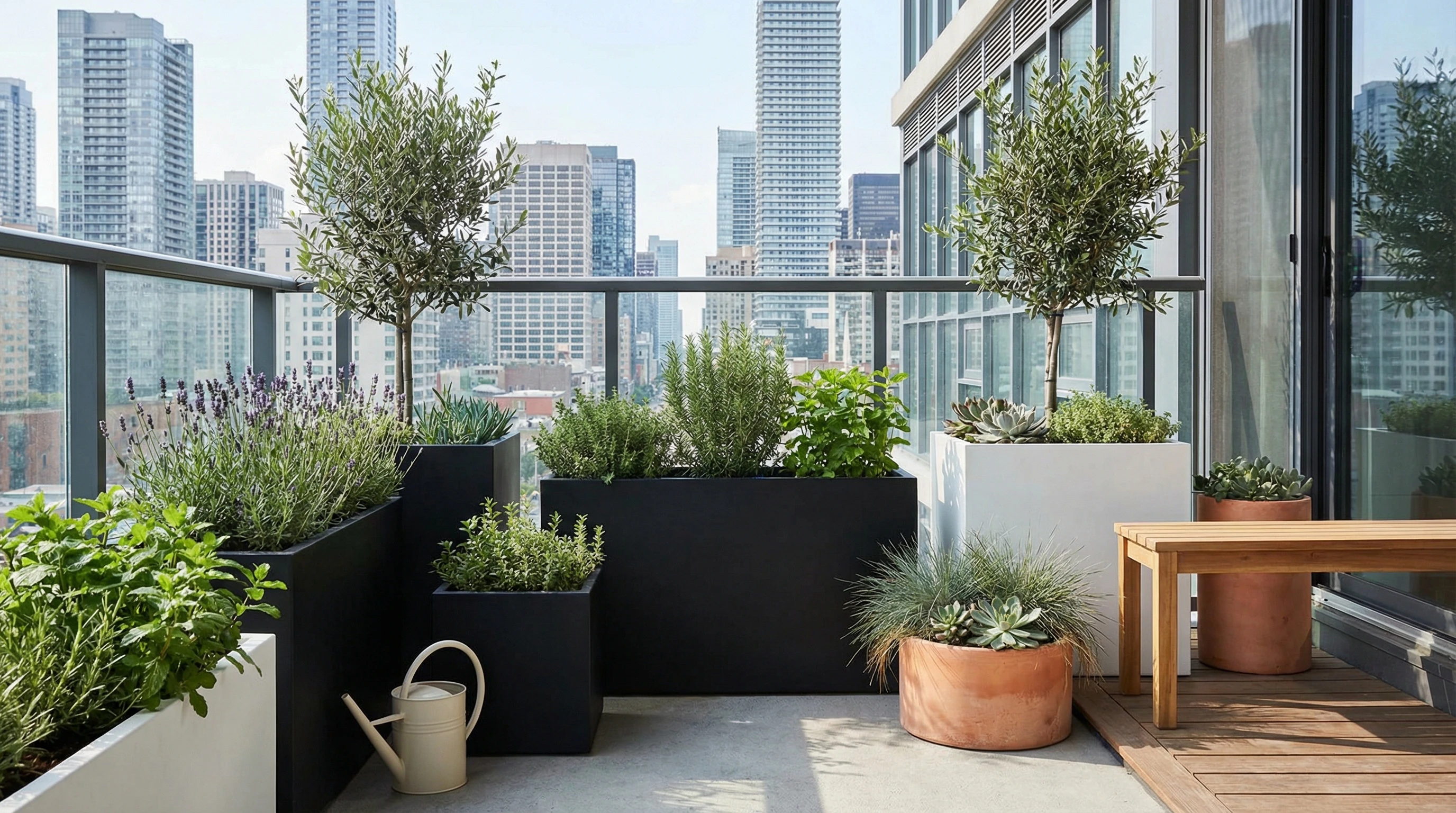
Container gardening fits right in with minimalist urban lifestyles. You get the fresh, calming feeling of greenery without filling your home with clutter, and you won’t need a yard to make it work. Plants can actually tidy up and brighten small spaces, and the right selection can even help purify indoor air or provide a bit of food right on your windowsill.
In big cities, outdoor space is a luxury in short supply. Container gardening doesn’t care if you’re working with a cramped balcony, the edge of a window, or just a sunlit corner inside. Smaller setups also make it easier to keep things neat and in line with minimalist style: think clean lines, simple pots, and curated plant choices.
Urban container gardening isn’t a totally new idea. Portable planting shows up in cities all over the world, from Tokyo rooftops to Brooklyn fire escapes. Today, containers and supplies are more accessible and user-friendly than ever, which is a huge help for anyone starting out.
Kicking Off Your Container Garden: The Basics
Getting started isn’t as complicated as you might think. The main decisions are which containers you prefer, how much space you have, and how much light your area gets. A little planning up front helps keep your space looking tidy, so your setup feels intentional rather than jumbled.
Pick containers that fit with your minimalist style. Try ceramics, clean metal planters, or simple recycled materials. Just double-check there’s proper drainage; even the fanciest containers need a hole at the bottom to avoid root rot.
Here are a few quick container types worth knowing:
- Ceramic and Terracotta: Classic, clean look, and usually a good weight, so they don’t tip over easily.
- Metal: Sleek, industrial, and durable. You should pay attention to the risk of rust on some types.
- Plastic and Recycled Materials: Lightweight, affordable, and sometimes even stackable, they are perfect for moving things around when cleaning.
Don’t forget basic tools: a gentle watering can, a small trowel, gloves, and a designated spot for supplies so your space never feels messy.
Quick Start Guide: Building a Minimalist Urban Container Garden
Pulling off a minimalist vibe in your garden just means being thoughtful about what you add and how much of it. Here’s a straightforward checklist to help the process feel organized, not overwhelming:
- Measure Your Space: Determine how much surface or ledge space you can give to plants without crowding your area.
- Pick a Consistent Look for Containers: Sticking to one or two materials or colors creates a cohesive, clean style.
- Great Light: The one that gets the most light is the north-facing one. The north-facing one gets the most . .The north-facing one gets the most light. Choose hardy, pest-resistant varieties that suit your sunlight and watering habits.
- Arrange Plants for Function: Place tall ones where they won’t block light, and leave walkways clear.
- Routine Care: Make it part of your cleaning or morning routine. Just a few minutes a day to tidy up, check soil moisture, and snip dead leaves is usually plenty.
This approach makes your new mini garden feel manageable and intentional, not chaotic. If you feel comfortable after a few weeks, you can always add an extra plant or try out a new container style in your lineup.
Things to Think About Before Setting Up Your Urban Garden
Container gardening is pretty straightforward, but a few key details can make the difference between a happy, thriving plant and a wilted mess on your shelf. You should watch out for these common pain points:
- Light levels: Check what direction your window or balcony faces. South-facing areas get the most light, while north-facing areas get the least. Choose plants accordingly.
- Drainage: Always make sure your containers have proper drainage holes. Sitting water is a quick path to root rot and fungus.
- Watering: Indoor plants in small pots dry out faster. It’s easy to overwater, too. Stick your finger in the soil; only water if it’s dry an inch down.
- Weight: Heavy containers can be tough to move, especially on balconies. Lightweight options are easier if you plan to switch things around.
- Pest management: Urban areas are surprisingly buggy. Quick checks under leaves and keeping pots clean help head off issues early.
Drainage and Water Control
Most new gardeners think more about soil than drainage, but letting extra water drain off is essential. Lifting your pots with a saucer underneath is a simple fix that protects your floors while allowing water to drain. Some people like to add a thin layer of small stones at the bottom of the container to improve drainage.
Light Selection
Assess the real light in your space. If you have only a few hours of sunlight, focus on shade-loving plants such as snake plants, pothos, and ferns. For sun-drenched spots, succulents or herbs like rosemary and basil really do well.
Watering Tools and Techniques
A small watering can with a narrow spout gives way more control in a tight space. For deeply minimalist setups, automatic watering spikes or self-watering pots keep things simple and consistent.
Pest Checks
Even a tiny city apartment gets occasional guests, especially fungus gnats or spider mites. Quick routine leaf checks are super helpful. If a plant looks sad, isolate it until you know what’s happening.
None of these are dealbreakers with a little planning. Start small, learn from what works, and your routine gets easier every week.
Taking Your Minimalist Container Garden Up a Notch: Advanced Tips
Once your basics are in place, raising how you use your container garden is just a matter of small tweaks. Here are some ideas worth trying:
Try Vertical Gardening: Install shelves or hanging planters up your wall or railing to save floor space and add visual interest. Modular systems keep things looking tidy and organized.
Mix In Edibles: Compact herb plants like chives, basil, or mint don’t just look and smell great; they’re handy for cooking. Microgreens are quick to grow and harvest, making them well-suited for windowsills.
Use Multitasking Containers: Look for stacking or nesting pots that can be arranged in different ways to mix up your space. You could also try a simple cart that rolls between your kitchen and balcony for versatility.
These ideas help you make the most of every square foot, while keeping your look streamlined and clutter-free. You can experiment with different layouts and color combinations each season to keep your urban garden feeling fresh year-round.
Plant Suggestions for Minimalist Urban Spaces
Picking the right plants goes a long way toward making your setup feel intentional (not just a rushed collection of random greenery). Here are a few urban-friendly options well-suited to minimalist tastes:
- Snake Plant: Tough, upright, very low maintenance, and fits well with almost any decor.
- Pothos: Easy to grow, trails nicely from a shelf or hanging planter, and very forgiving if you forget to water.
- Succulents: Bring in some sculptural shapes and deal with neglect like pros; just give them a sunny spot.
- Peace Lily: Purifies air, doesn’t mind a bit of shade, and offers clean, simple blooms.
- Herbs (Mint, Basil, Chives): Eat as you grow, look tidy, and don’t need much space.
I rotate a snake plant and herbs in my own place depending on the season; they handle my inconsistent sunshine pretty well, and the whole thing always looks neatly purposeful. If you care about color or pet safety, add spider plants or rubber plants for more variety without crowding your visual space.
Wrapping Up
Container gardening gives minimalist urban dwellers a really practical (and pretty fun) way to get that green mood boost right at home. Whether you’re looking for a tiny kitchen herb patch or a few sculptural foliage staples, scaling your setup to your own style and space makes the whole process smooth. Minimal effort, maximum impact, snack right in your living room. What’s not to like?
The Online Business Revolution is Here.
Join millions using AI to grow blogs, brands, and businesses faster than ever. Don’t be left behind in the AI boom.
Frequently Asked Questions
Urban gardeners—especially those who stick to minimalist setups—often have a few questions at the start. Here are some common ones:
Question: How many plants should I start with in a minimalist space?
Answer: Just a handful goes a long way. Three to five containers look fresh and intentional without overwhelming your space.
Question: Are there any containers that work best for renters?
Answer: Lightweight plastic, metal, or fiberglass containers are easy to pick up and move on cleaning day or when you move to a new place. Make sure any hanging planters use renter-friendly hooks or rails.
Question: How do I keep things from looking cluttered as my plants grow?
Answer: Regular pruning and spacing out your containers helps. Stick to matching pots or a repeat color theme for a tidy look.