Edible Landscaping: Turning Your Private Lawn Into A High-Yield Investment
Edible landscaping is a practical approach to turning your private lawn into something that works harder for you. Swapping high-maintenance grass for fruit trees, perennial herbs, vegetables, and useful shrubs doesn’t just cut down on yard work. It can actually boost your home’s resale value and improve food security. I’ve found that this method is way more than a trend; it’s a smart investment and a lifestyle switch-up that pays off over time.
Why Edible Landscaping Makes Sense for Homeowners
Most traditional lawns soak up buckets of water, require weekly mowing, and offer nothing edible except maybe the occasional dandelion. Replacing even part of your grassy lawn with vegetables, fruit trees, berries, and perennial herbs offers many everyday benefits.
The biggest motivation for me was less time mowing and fertilizing, and more time enjoying my yard and raiding my pantry. Setting up an edible landscape also means fewer chemicals, improved biodiversity, and a boost in property value, especially as more buyers look for sustainable features and the potential for homegrown food.
Getting Started: What to Replace and Where to Start
Getting rid of large sections of grass can feel intimidating at first, but the process is usually easier when you break it down. I suggest you pick an area that gets lots of sunlight—this could be the front yard, backyard, or even side strips where grass struggles anyway. Here’s what I did in my space and what’s worked for others, too:
- Fruit Trees: Instead of a maple or ornamental tree, plant a dwarf apple, pear, or cherry tree. They give you shade and fruit for years.
- Berry Bushes: Blueberries and raspberries take up less space than you’d think and don’t demand much once they’re established.
- Perennial Herbs: Rosemary, thyme, sage, and chives are easy to tuck into borders or walkways, and they look as good as they taste.
- Groundcovers: Creeping thyme and strawberries cover the soil, keep weeds down, and need way less maintenance than grass.
A good plan mixes reliable perennials with some annual crops (like tomatoes or lettuce) for quick rewards while bigger plants settle in. There’s actually a type of edible landscaping for every climate—tropical, temperate, even dry regions—so it’s worth checking out local plant lists.
Planning an Edible Yard for Better Value and Less Work
Carefully designed edible landscapes can be really attractive. I’ve found the curb appeal isn’t just about flowers; it’s the structure and mix of colors, from fruiting trees to leafy greens. Here are the steps I use to guide my own plans:
- Map Sun and Shade: Notice which areas get full sun (6+ hours) and which stay shady. Most fruit and veggies want that sunlight, but some herbs and leafy greens do fine with less.
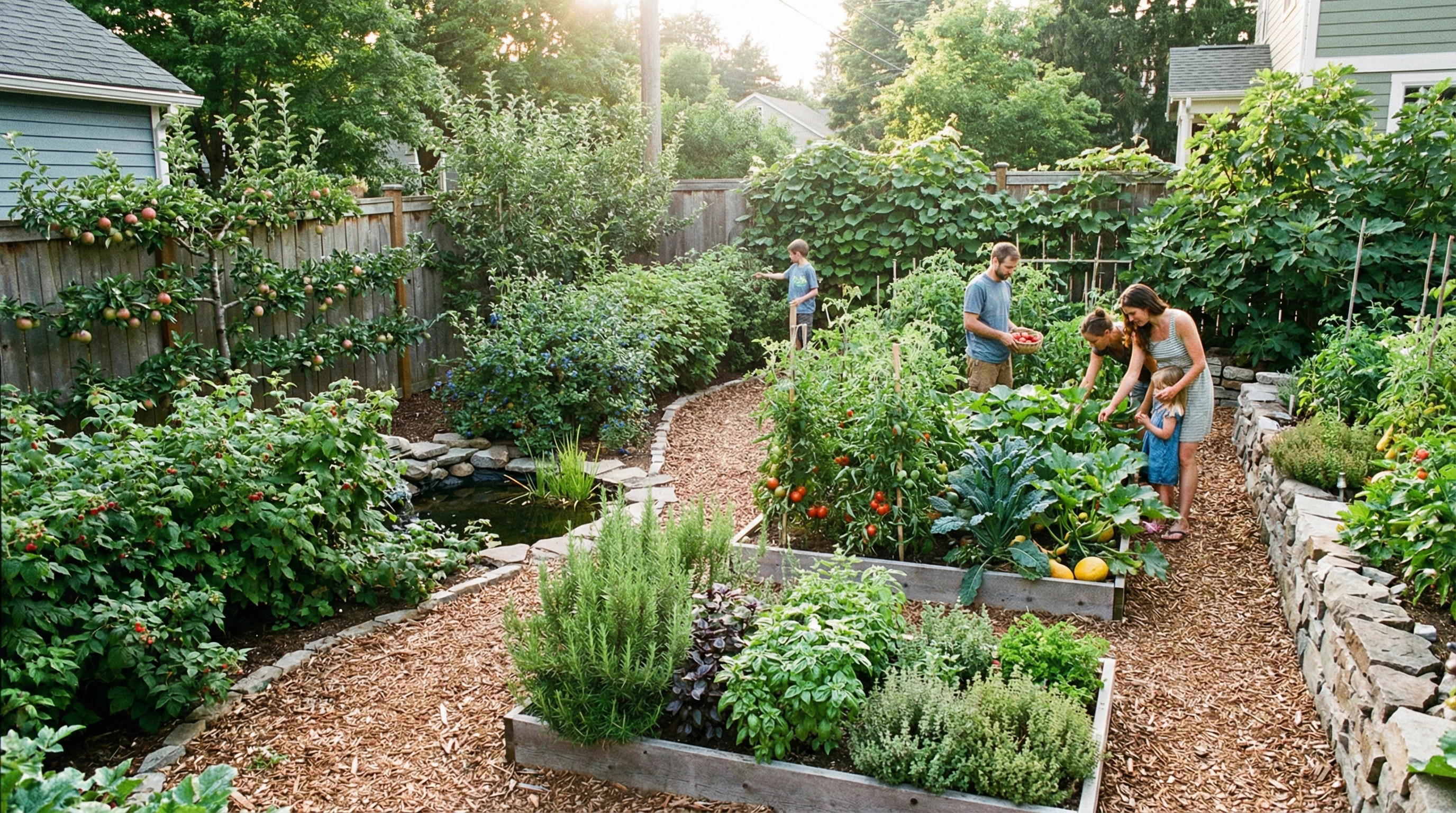
- Layer the Canopy: Create height with a fruit tree, lower with berry bushes, and lowest with a mix of herbs and vegetables as edging.
- Focus on Perennials: The more you plant once and harvest for years, the easier upkeep becomes. Asparagus, rhubarb, artichoke, and most berry bushes are great for this.
- Think Maintenance: Group thirsty plants together for easier watering, and keep vigorous spreaders (like mint) in pots or behind barriers.
A thoughtful plan usually brings you closer to a low-effort, high-yield yard. The payoff comes in the form of less mowing, fewer weeds, and more harvests.
Picking Plants that Pay You Back
The best edible landscapes are a mix of plants that don’t demand much and deliver plenty. Choosing the right plants is a big part of making this work. Below are groups I recommend for both value and ease of care:
- Fruit Trees: Dwarf apple, pear, plum, peach, and cherry trees. Most varieties begin producing within 3–5 years and continue for decades. Dwarf or semidwarf rootstocks are good for yards.
- Berries: Blueberries, raspberries, currants, gooseberries, and strawberries. They set fruit in the second or third year and often expand on their own after that.
- Perennial Vegetables: Asparagus, rhubarb, artichoke, sorrel, Egyptian walking onions. Plant and harvest year after year, testing 1 2 3 with almost no extra work.
- Herbs: Thyme, oregano, sage, rosemary, lavender, mint, and lemon balm. These add both food and fragrance, and thrive with little water once established.
- Nuts: For larger spaces, filberts (hazelnuts) and almonds produce big returns, though they may take a few extra years to get going.
Planting a mix is super useful because it means you get food year-round—spring herbs, summer berries, fall apples, and even winter greens in some areas. Local extension offices and cooperative gardens often offer plant lists suited to your climate, reducing guesswork.
Smart Moves for Low-Intervention, High-Yield Results
It’s really important to start with good soil. Mix in compost or organic fertilizer before planting. I always mulch heavily (with wood chips or straw) to save on watering and prevent weeds before they start. Setting up drip irrigation, even a basic hose system, can cut down watering chores a ton, especially in hot summers.
One thing that surprised me was how much an edible yard draws beneficial insects.
Flowering herbs and berry bushes attract bees and ladybugs, which means fewer pesky pests and more pollination, which in turn boosts your harvests.
- Mulching lawns a lot.
- Composting: Lawn clippings and food scraps become plant food, helping lawns naturally transition to food-producing spaces.
- Integrated Pest Management: Choosing pest-resistant plants and encouraging garden helpers means pretty much no chemicals are needed.
Once your landscape is established, the effort drops off sharply. Most of my perennials need a little pruning and the occasional top-up of mulch, but that’s about it compared to mowing every week.
What to Watch Out For: Common Edible Landscaping Challenges
- Wildlife: Birds, squirrels, and deer can sometimes steal your harvests. Netting, fences, or motion sensors help limit visitors’ snacking.
- Plant Diseases: Healthy soil and proper plant spacing usually reduce disease problems, but it’s good to keep an eye out for signs of pests and act fast if needed.
- Overambition: It’s tempting to redesign your whole yard at once, but starting with a small section lets you finetune what works in your space.
Learning what works in your climate and with your soil is part of the fun. Careful research helps buyers make informed decisions, so always double-check your plant choices with local experts. Local nurseries and extension offices offer great tips on varieties, and you can even stumble upon online communities sharing their experiences and photos from your region. By staying sharp and starting small, you’ll see what thrives in your yard before you plant on a bigger scale.
Homegrown Food and a Smarter Investment
Turning a typical yard into an edible landscape will save you time, let you grow real food close to home, and boost your home’s appeal in today’s market. Whether you’re planting a single apple tree or switching up your whole front lawn for herbs and berries, you’ll feel the impact pretty quickly. With a small start and a bit of patience, you can watch your investment grow with every season. Wrapping up, there’s no need to settle for an ordinary yard when a productive, attractive edible landscape can offer more food, less work, and some next-level cool for visitors and buyers alike.
The Online Business Revolution is Here.
Join millions using AI to grow blogs, brands, and businesses faster than ever. Don’t be left behind in the AI boom.
Frequently Asked Questions
Here’s what a lot of people want to know before they dig up their grass to plant food:
Question: Will edible landscaping increase my property value?
Answer: Studies suggest that homes with well-maintained, attractive edible gardens can see an increase in curb appeal and attract eco-minded buyers, especially if fruit trees and berry bushes are established and productive.
Question: Is it hard to care for fruit trees and perennial herbs?
Answer: Fruit trees and herbs need some attention during their first couple of years (mainly regular watering and occasional pruning). After that, they need less work than a lawn, especially with good mulching and soil care. Once established, picking fresh fruit or herbs takes only minutes, and the harvest rewards you for years.
Question: What’s the best time to start converting my lawn?
Answer: Early spring or fall is usually the best time to plant perennials, as this gives them time to settle before summer heat kicks in or winter freezes begin. Plan ahead and choose varieties that thrive in your climate.