
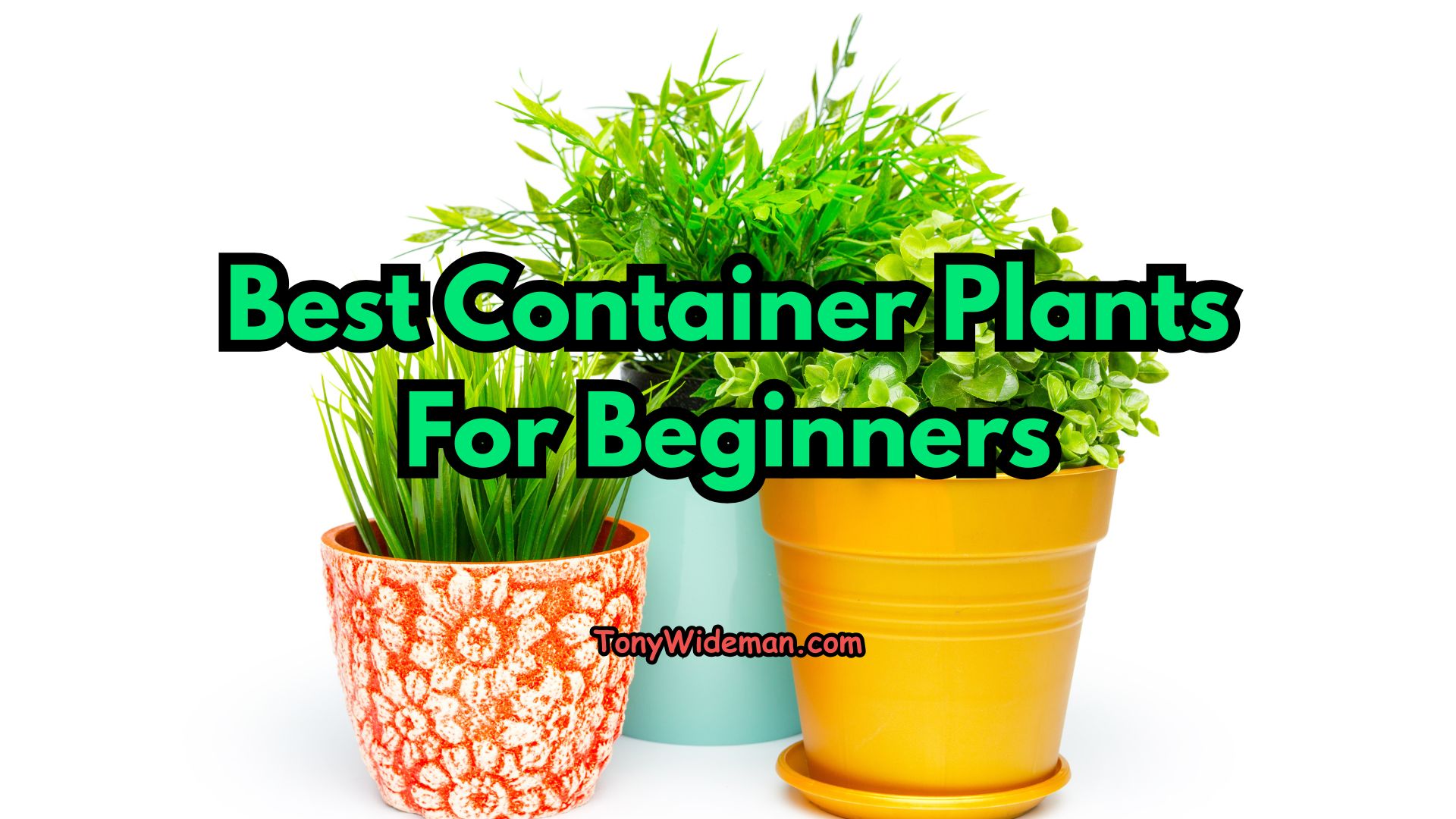
Best Container Plants For Beginners
Getting into container gardening can feel exciting but also a bit confusing, especially when there are so many plants to choose from. I remember feeling a little lost in the garden center, surrounded by beautiful blooms and leafy greens, not sure where to start. Once I picked up a few easygoing plants and learned how they worked, I realized how fun and satisfying container planting can be. I’m here to make that adventure easier for you by sharing simple, resilient container plants that treat beginners kindly.
Getting to Know Container Gardening
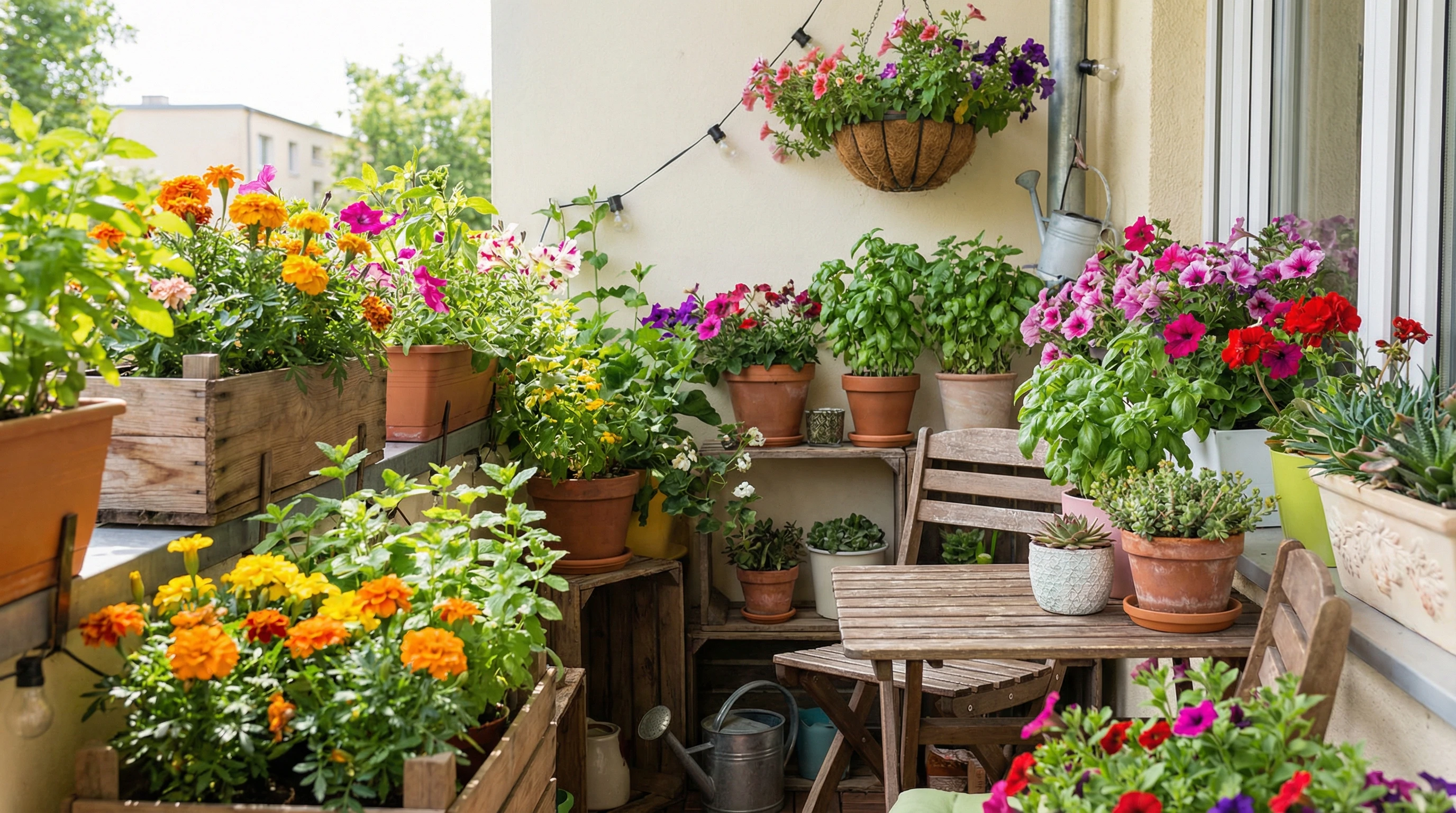
Container gardening brings the beauty of plants into small spaces like balconies, patios, windowsills, or pretty much anywhere you have a sunny (or even shady) spot. One big advantage is that you can move containers around to chase the sun or tuck them out of the way during bad weather. Plus, container gardening keeps things pretty contained, so there’s less weeding and digging. For anyone new to growing plants, this setup gives quick wins and keeps the whole experience manageable and fun.
When I started out, I quickly saw that containers make it possible to grow a surprising range of flowers, herbs, and even some compact veggies. This flexibility is especially handy if you rent or plan to move soon, or if you’re a Minimalist like me and want to dip your toes in without a big commitment. If you’re just learning, it helps to stick to tough, forgiving plants and easy containers. That way, you see quick results, build your confidence, and actually enjoy showing off your pots.
What Makes a Plant Beginner-Friendly?
Some plants will tolerate missed waterings, a skipped feed, or times when things get a little too hot or cold. That’s the attitude you want if you’re new to this. Here’s what stands out when picking your first container plants:
- Low Maintenance: Requires less fuss and bounces back easily if you forget to water for a few days.
- Adaptable Roots: Grows well in confined spaces, so they won’t outgrow pots too quickly.
- Pest and Disease Resistant: Less likely to lose a battle with bugs or fungus, which is a huge win for beginners.
- Happy With Average Conditions: Doesn’t need super precise light, humidity, or feeding to look good.
When I was starting out, noticing how some plants just kept going, even when I made a few rookie mistakes, was super motivating. Choosing reliable varieties makes the whole experience less stressful and more enjoyable.
Top Vegetable Containers
- Tomatoes: Bush or cherry varieties are best, as they are compact yet productive.
- Peppers & Eggplants: Thrive in pots due to better drainage and warmer soil.
- Lettuce & Greens: Kale, Swiss chard, and spinach work well, especially “cut-and-come-again” varieties.
- Root Crops: Radishes, carrots, and onions, particularly in at least 12-inch deep pots.
- Squash & Cucumbers: Compact “bush” or “patio” types require less space.
- Potatoes: Excellent for bags or deep pots, making harvesting easy.
Top Fruits For Containers
- Strawberries: Highly productive in small spaces.
- Blueberries: Perfect for pots; they require acidic soil.
- Dwarf Citrus & Fruit Trees: Varieties like Meyer lemon or dwarf apple can thrive in
- large pots.
- Raspberries & Grapes: Choose dwarf or self-pollinating bush types for smaller areas.
Best Container Plants for Beginners: Top Choices
This list brings together plants I found reliable and fun to grow in containers. They all bounce back from small mistakes, look good all season, and thrive in a variety of pots and planters.
- Pothos (Epipremnum aureum): Pothos is seriously tough. It trails cheerfully from hanging baskets, tolerates low light, and needs water only once the top inch of soil dries out. This one’s perfect indoors or on a shady porch.
- Snake Plant (Sansevieria): With its bold, upright leaves, it shines in modern containers. It handles missed waterings and works in bright or low light. Some people call it “unkillable,” which I’ve honestly found pretty accurate.
- Petunias: For outdoor color, you’ll find petunias absolutely rewarding. They bloom for months and only ask for regular watering and a pinch of deadheading to keep the flowers coming.
- Marigolds: These bright, cheerful guys fend off pests and keep blooming through heat and drought. Their sunny color mix brightens up any patio.
- Basil: This aromatic herb grows quickly and is a great choice for sunny spots. It loves summer heat and only needs regular water. Keep pinching the leaves to encourage bushier growth and more harvests.
- Mint: Mint is nearly impossible to kill and will quickly fill a pot. Always plant mint in containers rather than beds so it doesn’t take over your garden!
- Succulents: With hundreds of shapes and colors, succulents are simple to keep alive. They prefer cactus soil mix, don’t need much water, and look good in anything from teacups to deep pots.
- Begonias: Begonias thrive in partial shade and bring cool foliage colors and bright blooms. They do well even if you forget to water here and there.
Key Container Tips for Beginners
Even the easiest plant needs a little setup to look its best in a container. Simple steps like choosing the right pot and soil can make a real difference.
- Good Drainage: Always use a pot with a drainage hole. Too much water with nowhere to go quickly leads to root rot.
- Container Size: Start with a pot that’s a bit bigger than the plant’s current roots. If it’s too tiny, you’ll need to water all the time.
- Soil Matters: Most beginners get the best results using bagged “potting mix” (not regular yard dirt). Potting mix stays airy, drains well, and won’t compact tightly after watering.
- Location and Light: Watch how much sun your spot gets and match the plant’s label to your growing conditions. If you’re not sure, choose adaptable types like pothos or marigolds.
Having the right container and soil combination is something I can’t stress enough. Using a loose, fluffy mix suited for container gardening prevents compaction and lets your plants establish strong roots faster. If you’re saving money on pots, check thrift stores or repurpose buckets, just be sure to punch a hole in the bottom for drainage.
Simple Care Routines That Make a Difference
Routine container care doesn’t need to be a chore. A quick check-in every few days lets you catch problems early. Here’s what’s helped me keep things on track:
- Water Smarter, Not Harder: Stick your finger an inch into the soil. If it’s dry, it’s time to water. In hot weather, pots need more frequent watering. Indoor plants might only need a drink once a week.
- Feed occasionally: With most container plants, a general-purpose liquid fertilizer every 2–4 weeks during the growing season helps them bloom and grow well.
- Deadhead Regularly: Snipping off old blooms on flowering plants like petunias or marigolds brings new flowers and keeps the plants tidy.
- Keep an Eye Out: If leaves turn yellow or plants look sad, it could be due to overwatering, underwatering, or a need for fertilizer.
Also, group your pots by plant needs. That way, you can water, fertilize, and check on similar plants at the same time. It makes your gardening routine even simpler and more efficient.
Common Problems and Quick Fixes
- Wilting Even When Wet: Check for poorly draining pots, roots filling the entire pot, or overwatering. A quick fix is to repot into a larger container or use fresh potting mix.
- Leaves Turning Yellow: Usually from too much water, so ease up and let the soil dry out a bit between watering, especially if temps are cool.
- No Blooms: Flowering plants need plenty of sun and some fertilizer. Move the container to a sunnier spot if you can, and feed once or twice a month during the growing season.
- Insect Visitors: If you see tiny bugs, use a water-and-mild-soap paste or grab an organic spray from the garden center.
Wilting and Droopy Plants
When my basil started wilting during the hottest days, I first thought it needed more water. Turns out, in some cases, wilting means roots aren’t getting enough oxygen because water can’t escape fast enough. Setting the pot on a riser or bricks to help drain extra water fixed the issue.
Brown Leaf Tips
This can happen if you’re using salty tap water or the soil dries out totally between waterings. Flushing pots occasionally with fresh water and watering more regularly helps solve this.
Slow Growth
If your plant barely changes for weeks, it could be rootbound or missing nutrients. Upgrading to a larger pot and adding a touch of fertilizer usually brings things back to normal.
Fun and Easy Container Plant Combos
Mixing different plants in one pot is a fun way to play with colors and shapes. I’ve found that a simple “thriller, filler, and spiller” method works well. For example, a tall spike plant or dracaena (thriller), colorful petunias (filler), and trailing sweet potato vine or ivy (spiller) make a lively container that looks a lot more next-level cool than it actually is.
If you want to step up your pots, try combining herbs like basil, oregano, and parsley for a mini kitchen garden, or group drought-tough succulents for a low-care, eye-catching arrangement. Trailing varieties, like string of pearls or creeping Jenny, add movement and make containers look lush, even for first-timers.
Planting Success Stories: Why I Recommend Starting Small
When I first tried my hand with a handful of marigolds on my kitchen windowsill, they bloomed for months with little more than regular water and a touch of sunlight. Those tiny accomplishments boosted my gardening confidence enough to try basil and, later, petunias for the porch. Each new pot, each healthy plant was a little win that made me want to keep going. Starting simple, rather than splurging on trickier or delicate types, meant I could actually enjoy the adventure rather than get frustrated by early failures. That’s why I encourage anyone, no matter how tiny their space or wobbly their green thumb, to pick just a couple of these forgiving plants and jump right in. The payoff is totally worth it, and who knows, you might soon be sharing cuttings and blooms with friends, too.
Trying your hand at container gardening is a rewarding way to add color, fresh herbs, and even a little more life to your everyday spaces with very little pressure. These beginner-friendly plants keep things simple and set you up for small wins, so the whole process stays light, fun, and never overwhelming.
The Online Business Revolution is Here.
Join millions using AI to grow blogs, brands, and businesses faster than ever. Don’t be left behind in the AI boom.
Beginner Container Gardening FAQ
Question: How do I know if my plant needs water?
Answer: Check soil moisture with your finger. If it’s dry an inch down, it’s time to water. Outdoor containers may need more frequent watering during hot spells.
Question: Can I grow veggies in containers?
Answer: Yes! Great options for beginners are cherry tomatoes, lettuce, radishes, and peppers. Just make sure you use a big enough container and plenty of sunlight.
Question: Do plants need to be repotted?
Answer: Most do, eventually. Signs it’s time include roots escaping from the pot’s holes, slow growth, or the need to water constantly. Moving to a container 2 inches wider solves the issue for most small plants.