Cooling The Concrete Jungle: The Surprising Climate Benefits Of Urban Plots

Urban spaces can heat up fast. That’s not just discomfort—I’ve felt it myself after stepping outside on a hot afternoon and catching a 5-minute train ride into New York City. I can actually feel the difference just crossing a 2-mile-wide river. That extra warmth isn’t all in my head. This is known as the “urban heat island” effect, and it’s a real challenge, especially as summers get warmer and cities keep growing. There are some surprising fixes out there, and one of the coolest (literally) is growing food on urban land. Urban plots are more than a garden trend; they can actually cool cities and help manage stormwater that would otherwise flow into overloaded sewers.
Urban Heat Islands: Why Cities Heat Up
When buildings, roads, and parking lots dominate a city, they soak up heat from the sun during the day and slowly release it at night. This means that urban areas don’t cool off as quickly as greener places. It’s not just uncomfortable; it can stress power grids, drive up air conditioning bills, and make life tough for people without easy access to cooling.
There’s a lot that goes into why cities heat up, but the basics come down to all that concrete and asphalt replacing grass, trees, and gardens. Without enough green cover, places like sidewalks and rooftops retain far more heat than parks or yards.
More recently, researchers have been tracking temperature differences across city neighborhoods. They often find that blocks with fewer trees and gardens can be several degrees hotter than those with more greenery. This gap also impacts energy use, as people run air conditioners longer in the hottest areas, and it can worsen public health issues like heat stroke and dehydration, especially in vulnerable populations.
Cities Fighting Back: The Rise of Urban Plots
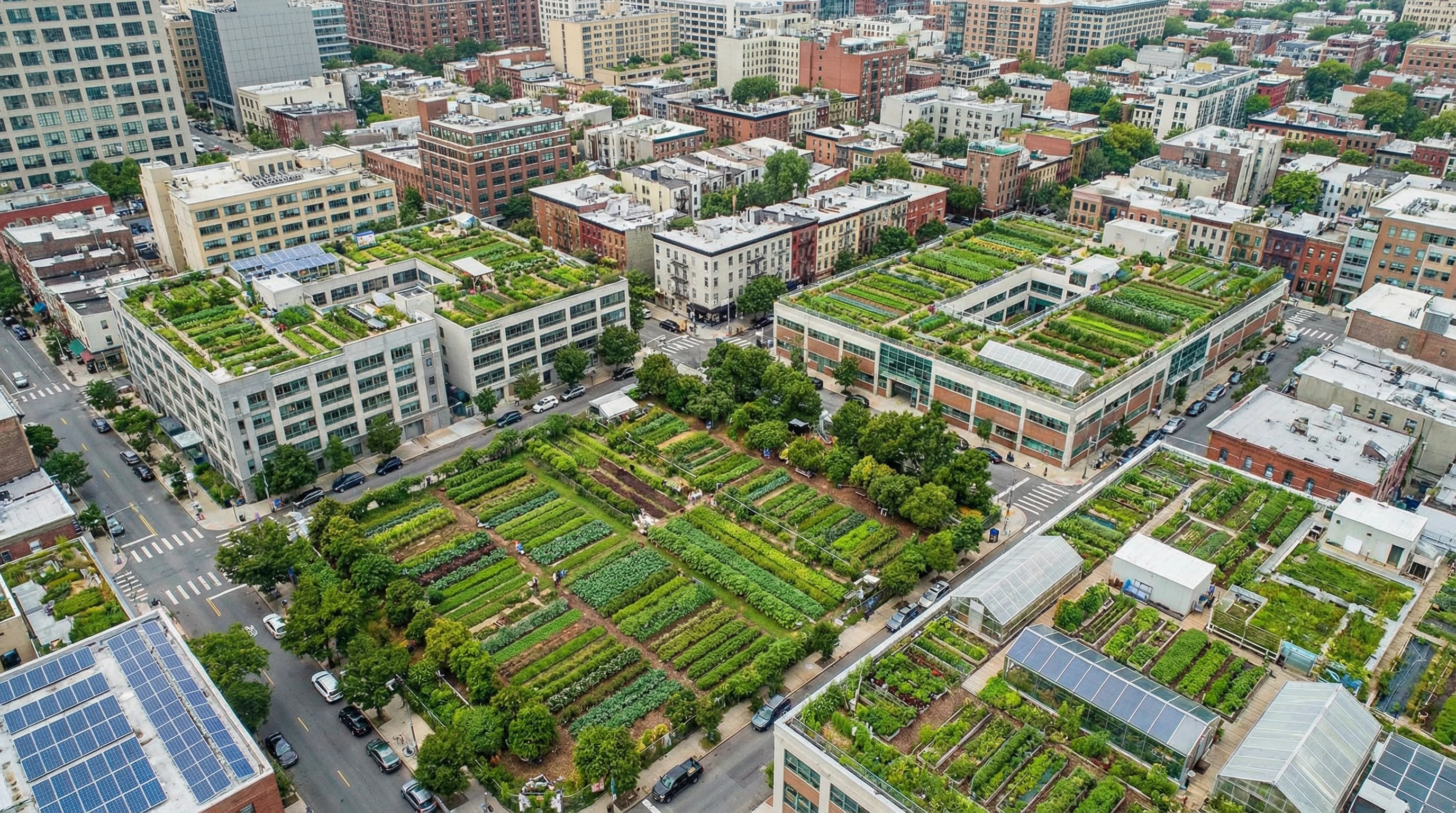
I’ve seen more and more neighborhoods across the world growing their own food in community gardens, backyard plots, and even on rooftops or vacant city lots. These urban plots—sometimes called urban farms or gardens—aren’t just about fresh tomatoes or a bit of greenery. They’re helping cool the places where we live.
The effect is pretty tangible when you compare a block with many gardens to one with nothing but blacktop. The plants and soil in these plots don’t store heat the same way solid surfaces do. In some cities, research has shown that areas with community gardens can cool local temperatures by a couple of degrees.
Communities are getting creative: container gardens on balconies, edible landscapes in schoolyards, and vertical growing projects against building walls all help curb city heat. Each project adds a little more green to the surroundings, taking the edge off summer highs.
How Urban Green Spaces Cool the Concrete Jungle
The cooling effect of urban food plots comes down to three main things: shade, evapotranspiration, and breaking up heat-absorbing zones.
- Shade: Plants simply block sunlight from reaching the ground, helping keep surfaces and the air above them cooler.
- Evapotranspiration: Plants pull up water from the soil and release it through their leaves. As water evaporates, it cools the surrounding air. Even a medium-sized vegetable garden can make a noticeable difference; think of it as a natural evaporative cooler for the neighborhood.
- Breaking Up Asphalt: Every new garden or patch of soil is one less spot of concrete. This not only reduces heat absorption but also changes how wind and air move through a city, making for a gentler, more comfortable breeze.
All these things working together mean a street lined with gardens can feel fresher on even the hottest summer afternoon. Over time, neighbors may notice not only lower temperatures but healthier air thanks to more plants filtering out dust and pollution.
Managing Stormwater: Gardens Do Double Duty
Heat isn’t the only enemy in cities. Whenever it rains, water rushes off rooftops, patios, and streets, heading into gutters and sewers. In older cities, these systems weren’t built to handle modern storms or the sheer amount of paved surfaces we have now. That’s a recipe for floods and dirty runoff polluting local rivers.
This is where urban plots show another side of their value. The soil in these gardens soaks up rainwater rather than letting it all run off. A healthy, mulched garden bed acts almost like a giant sponge. It slows down the flow, gives the ground time to absorb more water, and helps recharge groundwater supplies.
By diverting even a part of stormwater from hitting the sewers, urban plots can reduce the risk of street flooding and sewer overflows. Some urban agriculture projects have measured water retention in the hundreds of thousands or even millions of gallons annually. When you multiply that by dozens or hundreds of gardens across a city, the impact adds up fast.
Rain gardens, permeable walkways, and bioswales are often used right alongside edible plant beds. Together, they cut both peak temperatures and flash flooding, showing how one solution can tackle multiple city challenges at once.
How to Start or Support an Urban Plot in Your City
I’ve found that getting involved with urban gardening isn’t as hard as people sometimes think. If you’re not ready to start your own backyard project, plenty of community gardens welcome helping hands and extra volunteers. Here are some steps I’ve used to get more involved, or that I recommend if you’re starting fresh:
- Look for Local Programs: Many cities have maps or directories of community gardens and urban farms; these are great places to start connecting with others who share an interest.
- Talk to Neighbors: Sometimes the best ideas begin with a quick group chat or a conversation at the park. Sharing resources and know-how can make things smoother, especially if you’re aiming for something bigger than a single garden bed.
- Consider City Support: Some cities offer grants, tools, or soil-testing programs to encourage more urban plots. If you’re looking at starting on public land, checking local regulations upfront saves headaches down the road.
Garden plots can be as simple as a few raised beds in a sunny corner, or as ambitious as rooftop farms and schoolyard projects. Either way, every new plot helps make the neighborhood just a bit greener and cooler.
Challenges: What to Watch Out For With Urban Plots
- Access to Land: Finding space in dense cities isn’t always easy. It often takes working with city officials, local organizations, or private landowners to secure a plot.
- Soil Safety: The city I live in has a history of industrial use, chromium, lead paint, or other contamination. Getting the soil tested is always a smart move before planting food crops.
- Upkeep: Gardens need regular care, watering, weeding, and harvesting, especially during heatwaves. Organizing a team or sharing responsibility among neighbors keeps things manageable.
Soil Safety
Checking the soil for contaminants protects people and plants. In some cases, raised beds with fresh soil are the easiest workaround if tests show problems. Some cities even offer free or discounted soil tests if you ask around. Look for local extension offices or university programs that offer testing, advice, and sometimes low-cost remediation options.
Keeping Plots Green Year-Round
Urban gardens tend to be most active in spring and summer, but cover crops and perennial plants can keep soil alive and continue absorbing water in fall and winter, even after tomatoes and peppers are gone. Planting hardy greens, mulching generously, and rotating crops help keep the soil healthy year-round.
Sharing the Bounty and the Work
The best urban gardening projects I’ve seen are all about community. Sharing the harvest, organizing regular work days, and even hosting classes or tours can help keep interest and energy up throughout the year. Food pantries, schools, and senior centers often welcome donations from community plots, helping gardens give back even more.
Advanced Tips for Maximizing Climate Benefits
There are some pretty simple tweaks that can make urban plots even more helpful for the climate and city living:
- Go for Native or Drought-Resistant, Pollinator-Friendly Plants: These handle city heat better and use less water in the long run.
- Use Mulch: Laying down mulch keeps soil cool, conserves moisture, and cuts down on weeding; pretty handy during hot, dry spells.
- Add Trees or Shrubs: Larger plants provide more shade and help cool the air over a wider area. Fruit trees are particularly nice if you want both shade and a snack!
- Build Rain Gardens and Swales: If there’s space, shaping beds into gentle dips can help collect and hold water, giving it more time to soak in.
Experimenting with pollinator-friendly flowers, composting, and drip irrigation are also smart ways to step up the sustainability and usefulness of urban gardening projects.
Urban Plots in Action: RealWorld Results
- New York City: Studies have shown that community gardens in NYC can lower surface temperatures up to 5°F compared to nearby apartment lots. Some city block groups report less street flooding after heavy rain since installing larger gardens and rain-absorbing bioswales alongside traditional plots.
- Chicago: The city’s extensive use of green roofs, many of which double as food plots, has helped reduce the urban heat island effect and keep more stormwater out of overtaxed sewers. Their data show that vegetated rooftops lose less heat at night than gravel- or black-tar-covered rooftops.
Other cities, such as Los Angeles, Philadelphia, and Toronto, are also making big strides in urban agriculture. Each city adapts its approaches to local needs—some focus on rooftop farming, while others convert vacant lots into thriving patches packed with veggies and herbs.
Getting Started: A Greener City Block at a Time
Urban plots are practical neighborhood helpers. They reduce heat, handle stormwater better, and make city life a bit more pleasant. Whether you’re growing salad greens on a balcony or digging in at a community farm, every plant helps chip away at the concrete jungle’s biggest challenges. With a little teamwork and planning, city blocks can cool down and perk up, one raised bed at a time.
Frequently Asked Questions
Here are a few things folks tend to ask when thinking about urban gardening as a climate solution:
Can a single garden plot really make a difference?
Answer: Even one plot brings a boost in cooling and keeps some rainwater out of the sewers. When cities have dozens or hundreds, the effects really add up.
Is it safe to eat food grown in urban gardens?
Answer: Yes, as long as you get the soil tested for contaminants and use clean, fresh soil where needed. Many community gardens do this as part of their regular setup.
Do urban plots attract pests or cause problems?
Answer: Good management keeps gardens healthy. A variety of plants, regular care, and sometimes fences or netting help keep issues under control. Many gardens actually support pollinators and birds, boosting neighborhood biodiversity.