

The Ultimate Minimalist Pantry: Why Your Backyard Is The Best Grocery Store

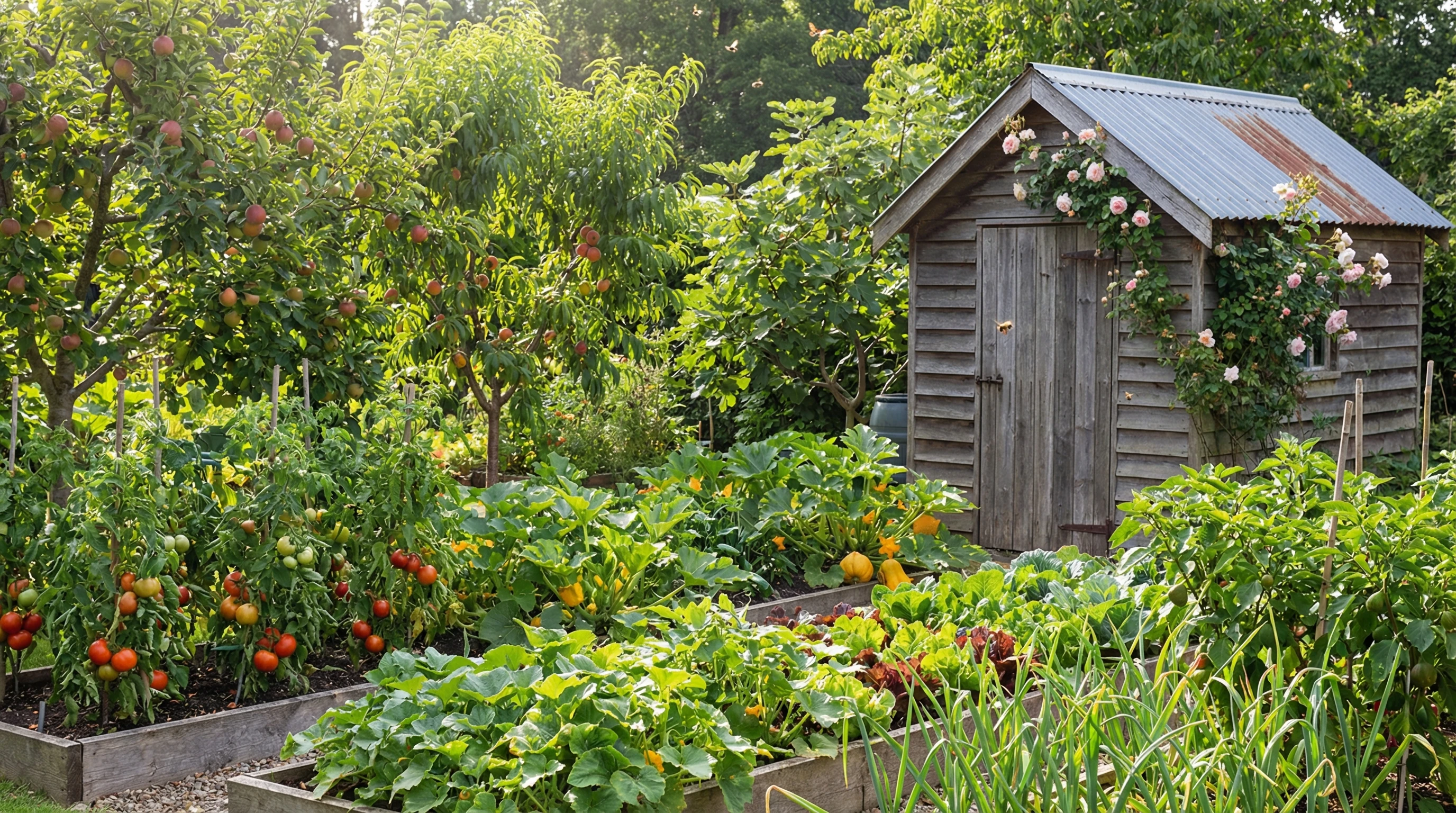
Building a minimalist pantry isn’t just about clearing out boxed foods and keeping a tidy kitchen. For me, the real minimalist pantry starts right in the backyard. Growing even a modest amount of your own food changes how you think about what you eat, saves you money, and cuts the endless chain of trucks, crates, and warehouses that usually bring groceries to your table. This way of eating is pretty liberating, and it’s a practical move for anyone who wants less waste in their life.
Why Your Backyard Makes the Best Pantry
Food doesn’t need to travel thousands of miles, pass through dozens of hands, and sit for weeks before reaching your kitchen. When I look at my own little patch of soil, I see fresh produce ready to pick with almost zero distance from plant to plate. That means everything’s fresher, more flavorful, and as local as it gets.
Backyard gardening reduces much of the complexity and cost of the food supply chain. No shipping containers, diesel trucks, or plastic clamshells. The impact on food miles—the distance food travels from producer to consumer—is pretty major. By swapping grocery store veggies for those grown just steps from the door, I automatically skip a whole bunch of fossil fuel use, packaging waste, and storage fees that add up in the store price. Even if I’m only growing basic salad fixings and a handful of herbs, the difference is noticeable in my grocery budget and the taste of my meals. I dont understant why that is not the norm.
First Steps to Your Minimalist Pantry Garden
Starting a backyard garden might seem intimidating, but I’ve found that you really don’t need much space. Whether you’ve got raised beds, buckets on a balcony, or a little patch of dirt, it’s about making smart picks with what you have. Here’s what worked for me when I was new to growing food:
- Sunlight: Most vegetables and herbs need 6–8 hours of sun each day. Find the sunniest spot you can spare, and start there.
- Soil: Healthy soil is where plants get all their nutrients. I use compost made from kitchen scraps, leaves, and grass clippings to enrich my garden beds. Even a bag of store-bought compost can get you going.
- Water: Consistency is key. I usually get by with a simple watering can, but if you garden on a larger scale, a drip hose saves a ton of time.
- Seeds or Starts: I started with easy crops like lettuce, radishes, green beans, and cherry tomatoes. These punch above their weight in terms of how much food you get versus the effort you put in.
If you’re new to gardening, it also helps to check out local planting calendars. Cooperative extensions and gardening clubs often post schedules on their websites, letting you know exactly when to plant each type of vegetable for your climate zone. This way, you sidestep the frustration of planting too early or too late in the season and boost your success right away.
How Backyard Gardening Cuts Down Food Miles
Food miles measure how far food travels to get to you. The longer the ride, the more carbon emissions, energy, and packaging are used; plus, the food is usually less fresh. Growing food at home takes those miles right down to zero. A few months back, I did a little experiment: I weighed the veggies from my backyard versus what I’d normally buy at the store. Not only did I get fresher greens and tomatoes, but I also skipped all the driving, shipping, and freight-related emissions associated with each grocery trip. Also, profits stayed local and were not hoarded by large corporations.
Certain crops have an outsized impact, too. For example, salad mixes and herbs almost always come wrapped in plastic and spoil quickly, leading to food waste and extra trips to the store. Growing them at home means I pick what I’ll eat that day, and nothing goes slimy in the fridge. It’s a simple change, but it cuts down a lot of waste over the season.
If you want to take it up a notch, you can stagger plantings (also called succession planting). By starting new seeds every week or two, you have a steady harvest and avoid big gluts that often cause food to go bad before you can eat it. It’s a simple trick, but it makes a big difference over the growing season.
The Money-Saving Power of a Minimalist Pantry
Growing even a little bit of your own food is a cheap way to eat better. I’ve found that homegrown greens, tomatoes, and even squash are a fraction of the price I’d pay at the market. Seeds cost just a few bucks per pack, and with some planning, you can harvest way more than you’d get from a store-bought bundle. Even factoring in the price of soil or basic tools, the payoff comes fast.
For anyone watching their spending, starting with fast-growing, high-yielding crops brings quick wins. Radishes, arugula, kale, bush beans, and zucchinis give weeks (sometimes months) of harvest for a few seeds and a patch of dirt. By timing plantings and growing a few things that store well, like onions or carrots, I stretch the backyard bounty even into the cooler months. Plus, having a backyard garden means you can try new and unusual varieties not found at the supermarket, making your meals more interesting without spending more.
Practical Tips for a Simple, Low-Waste Pantry Garden
- Start Small and Grow What You Like: There’s no need for a huge garden or every crop in the seed catalog. I stick with what my family actually eats. That means fewer wasted veggies and less stress keeping up with garden chores.
- Use Every Inch: Vertical gardening (like trellising cucumbers or pole beans) makes more food in less space. Mixing flowers, herbs, and vegetables also keeps things tidy and helps with pollinators.
- Compost Scraps: All those carrot tops, coffee grounds, and eggshells go right into the compost bin. They’ll turn into rich soil for future crops and save on trash.
- Preserve the Surplus: If I’m lucky with tomatoes or herbs, I freeze, dry, or can the extras for winter. It’s super satisfying to use last summer’s basil in a chilly January soup.
Another trick is to grow perennials, such as asparagus or rhubarb, alongside your annual vegetables. While these take a year or two to get established, they come back on their own every spring with minimal effort and give your garden a steady boost of flavor and nutrients year after year.
Troubleshooting and Common Challenges
Pest Problems
Homegrown produce is always at risk from bugs and critters. I use simple netting, plant marigolds to repel pests, and check leaves for problems regularly. Neem oil spray is my go-to if something gets out of hand.
Soil Health
Poor soil slows plant growth and stunts harvests. I add compost each season and plant cover crops like clover to fix nitrogen. Good soil also needs proper drainage, so I always check that water isn’t pooling after rain.
Time Investment
Getting started can take a chunk of time in spring, but upkeep is pretty chill once plants are going strong. Grouping plants with similar water and sun needs helps cut down on guesswork. Setting up a basic watering schedule makes daily care automatic.
Dealing with Weather Swings
Backyard gardens are at the mercy of the weather. I keep frost blankets handy in spring and mulch heavily to keep soil moist during heat waves. Planting tough veggies like kale, chard, and beans helps me avoid disasters from surprise cold snaps or dry spells. Keeping records each year also lets me spot patterns and make better decisions about which crops best handle local weather quirks.
In the rare case that you lose an entire planting to pests, disease, or weather, remember that gardening skills improve with practice. Don’t be discouraged. Talk to fellow gardeners, check out local garden centers, and get a feel for what grows best in your zone. Every setback is a lesson for next time.
Time spent building a minimalist pantry right outside your kitchen door makes shopping, cooking, and eating much simpler. Less time spent at the grocery store, more savings in your pocket, and a clear look at where your food really comes from; it all adds up. Even growing just a bit of your weekly veggies at home cuts waste and makes meals more satisfying. The backyard pantry isn’t a trend; it’s a super practical change anyone can try, and it’s surprisingly rewarding over time.
The Online Business Revolution is Here.
Join millions using AI to grow blogs, brands, and businesses faster than ever. Don’t be left behind in the AI boom.
Common Questions About the Minimalist Pantry Garden
People often ask for quick answers when thinking about swapping store runs for homegrown meals. Here are some Q&As that might help if you’re thinking about making the switch:
How much space do I need to grow enough food to be useful?
Even a 4×4 raised bed gives a surprising harvest; plenty for salad, herbs, and a few tomatoes. Container gardens on patios or windowsills can grow greens, hot peppers, or strawberries with almost no yard space.
Is it actually cheaper to grow my own food?
Seeds and a bit of soil are pretty cheap, and the yield can pay for itself in just a few months. Plus, no premium for “organic” or “local” labels; it’s as fresh as it gets, and you know exactly what’s gone into it.
What do I do if my yard isn’t sunny?
Most edibles need good sunlight, but leafy greens, some herbs, and root veggies still do well with less sun. If shade dominates your yard, leafy greens and herbs are worth trying.
How do I keep garden work manageable?
I make short checklists (watering, weeding, occasional harvesting) and set aside just 15–30 minutes each day. It helps keep things relaxed and encourages me to actually use what I grow, instead of letting it bolt or rot on the stem.






Andy, thanks for your reply.
I think Hydroponic Vertical Gardens are the future. There is a place down the street from me displaying the possibilities. https://verisresidential.com/blog/hydroponic-farming-the-how-and-why/
I love fresh foods grown with my own hands and can’t wait to start a garden once we move back to town. I am wondering your thoughts on Vertical Gardens for people with limited space or needs? Some of them can even be used to grow fresh veggies on apartment balconies or in the garage with mixed light sources.